Behind the Scenes: How Stunts Bring Action to Life
From previsualization to precision driving, discover how coordinators, riggers, and performers turn risky ideas into safe, pulse‑pounding action.
Designing the Illusion
Action set pieces begin long before cameras roll. In entertainment, a stunt sequence starts where story meets physics. The stunt coordinator and director translate character motivations into physical beats, breaking the script into movable parts and layering in risk assessments that protect crews without dulling excitement. Teams build pre-visualization—storyboards, animatics, and walk-throughs—to map timing, geography, and emotional turns so the sequence advances the plot, not just the pulse. Location scouts study surfaces, sightlines, and weather patterns; prop masters test breakaway materials that shatter safely yet play convincingly. Every gag is reverse-engineered from the feeling it should evoke—shock, tension, catharsis—then iterated to include redundancies: spotters, backup rigs, and alternate routes. Budgets and schedules flex around rehearsal windows and specialty gear, but the creative mandate remains clear: keep the audience inside the story. When planning is this meticulous, spectacle looks effortless, and the core promise of immersion stays intact, turning breathtaking danger into disciplined, character-driven entertainment.
Training for Controlled Chaos
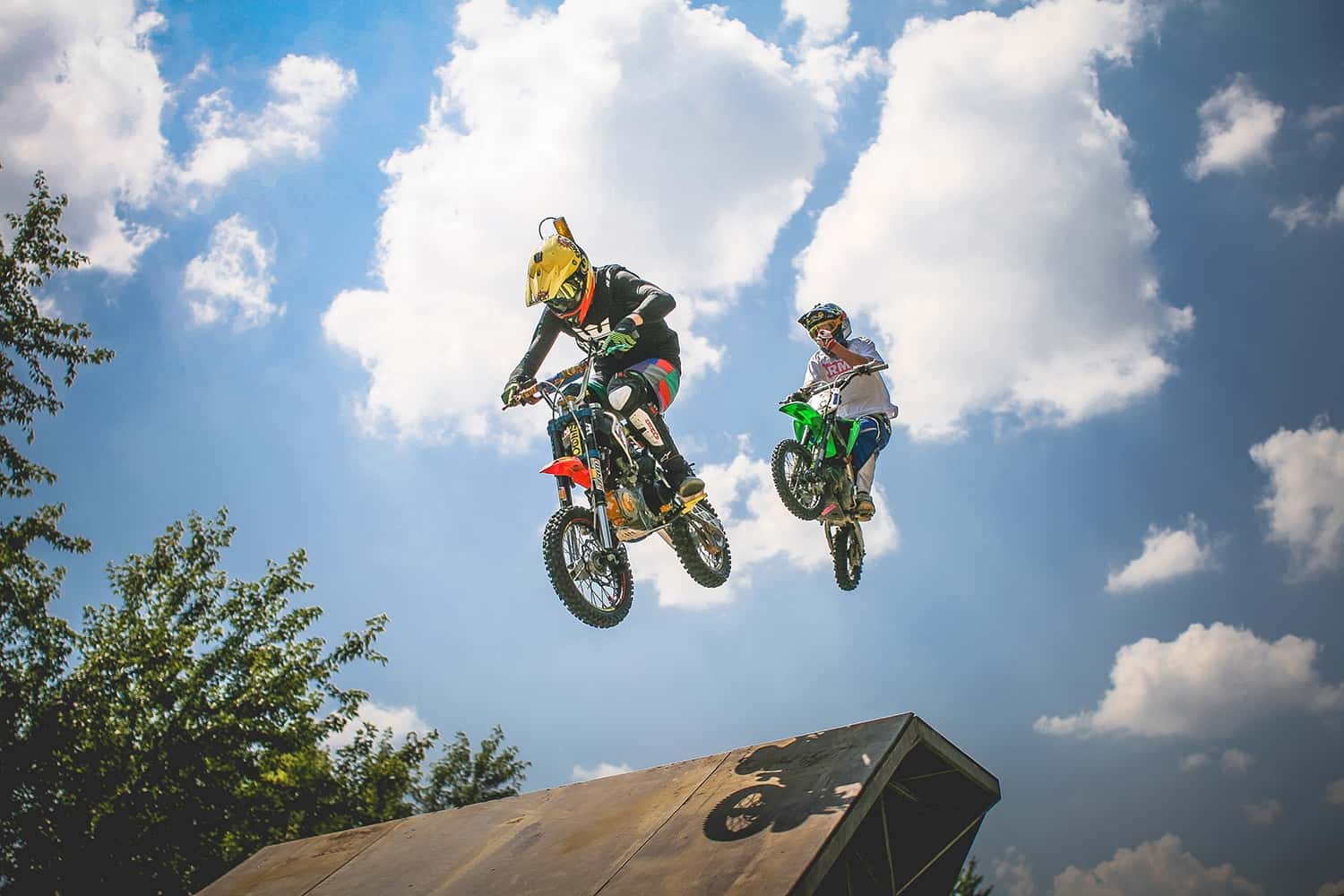
Stunt performers are athletes, actors, and tacticians, conditioning their bodies and minds to deliver controlled chaos. Training spans fight choreography, high falls, precision driving, and wire work, with days structured around mobility, core strength, and impact management. They practice ukemi—safe falling techniques—and refine breath control to absorb shocks and keep reactions readable for the camera. Repetition builds muscle memory, ensuring that complex combos stay crisp under pressure while leaving room for in-character improvisation. Mental rehearsal and visualization sharpen situational awareness, helping performers adapt when surfaces change or marks shift. Team drills strengthen trust: the throw only works if the catch is there, and timing remains a shared language. Performers cycle through pads to simulate costumes, testing range of motion with wardrobe and props. Nutrition, recovery, and injury prevention are treated as craft essentials, not luxuries. The result is performance that is athletic and expressive, proving that the most convincing danger is executed with poise, partnership, and relentless preparation.
Engineering Safe Spectacle
Behind every gasp-worthy moment is a lattice of engineering and safety protocols designed to make risk predictable. Riggers configure harnesses, descenders, ratchets, and air rams to produce reliable forces with fail-safes built in. Coordinators choose breakaway glass, scored furniture, and dusted surfaces to manage friction and impact. Special effects teams integrate squibs, controlled flame, and atmospheric elements while working hand in glove with medics and fire safety. Pads are hidden in set dressing; heat shields and PPE protect performers beyond the camera's frame. Each beat is rehearsed in increments—speed, height, and complexity increase only after clean runs at lower intensity. Communication protocols keep departments in sync: clear calls, hand signals, and lockouts prevent crossed wires when adrenaline spikes. Contingency plans—abort cues, safe zones, backup rigs—are tested as vigorously as the primary gag. When the countdown hits, everyone knows their mark, their exit, and their why, enabling the crew to deliver spectacle that thrills without compromising well-being.
Choreography, Camera, and Editing
What viewers read as raw mayhem is actually a duet between choreography and camera grammar. Action is blocked to express character stakes—footwork reveals fear or swagger—while the camera becomes a dance partner, using motivated movement, lens choice, and frame rate to heighten impact. A tight lens compresses distance to sell speed; a wide lens showcases spatial logic so the audience never gets lost. Editors stitch beats with cutting patterns that let hits land and reactions breathe, preserving geography while controlling rhythm. Sound designers add weight with foley, whip-pans are punctuated by whooshes, and well-timed breaths sell exertion. Subtle digital augmentation removes wires, erases pads, and cleans seams without overshadowing practical craft. Pre-vis and on-set video assists give instant feedback, letting teams refine timing or adjust eyelines before daylight fades. The best sequences honor story math: setup, escalation, reversal, payoff. When movement, camera, and cut speak the same language, action becomes character, not wallpaper.
Evolving Techniques and Ethics
As tools advance, stunt work continues to blend tradition with innovation, guided by a strong ethic of care. Virtual production, pre-visualization, and digital augmentation let crews reduce hazardous exposures while preserving tactile realism. Collaboration with VFX teams starts early so practical gags are designed for seamless enhancement, not rescue. Culture matters: clear attribution highlights the contributions of stunt coordinators, second-unit directors, riggers, and performers, nurturing respect across departments. Diversity and inclusion expand the casting pool and enrich authenticity, while mentorship pipelines cultivate new talent with fresh perspectives. Productions prioritize mental health, adequate rest, and transparent briefings so no one feels pressured to exceed safe limits. Environmental considerations—from reusable rigging to efficient power—align spectacle with sustainability. Audiences may never see the redundancies, but they feel the confidence. When ethics, engineering, and artistry move in concert, stunts do more than dazzle; they deepen narrative truth and remind us why carefully crafted risk remains a cornerstone of entertainment.