Building a Balanced Grocery List for Any Diet
Master a flexible, nutrient-dense grocery list for any diet with smart staples, seasonal produce, protein swaps, and budget-friendly tips.
Define your purpose. A balanced grocery list starts with clarity about goals, not rigid rules. Begin with a quick pantry audit to see what you already have, what needs restocking, and what is close to expiry. Decide on a flexible meal rhythm for the week, such as a few quick breakfasts, rotating lunches, and a couple of anchor dinners, then let your list mirror that plan. Group items by store sections and categories to speed up shopping and reduce impulse buys: produce, proteins, grains and legumes, dairy or alternatives, frozen, and shelf stable. Note any budget guardrails and prioritize ingredients that serve multiple meals. Favor seasonal choices for better flavor and value, but keep reliable year round staples on hand. Think portions, not perfection; plan for extra servings that become lunches. Finally, add a small buffer section for substitutions, so if broccoli looks tired you can pivot to green beans, and if one brand is out you know your backup.
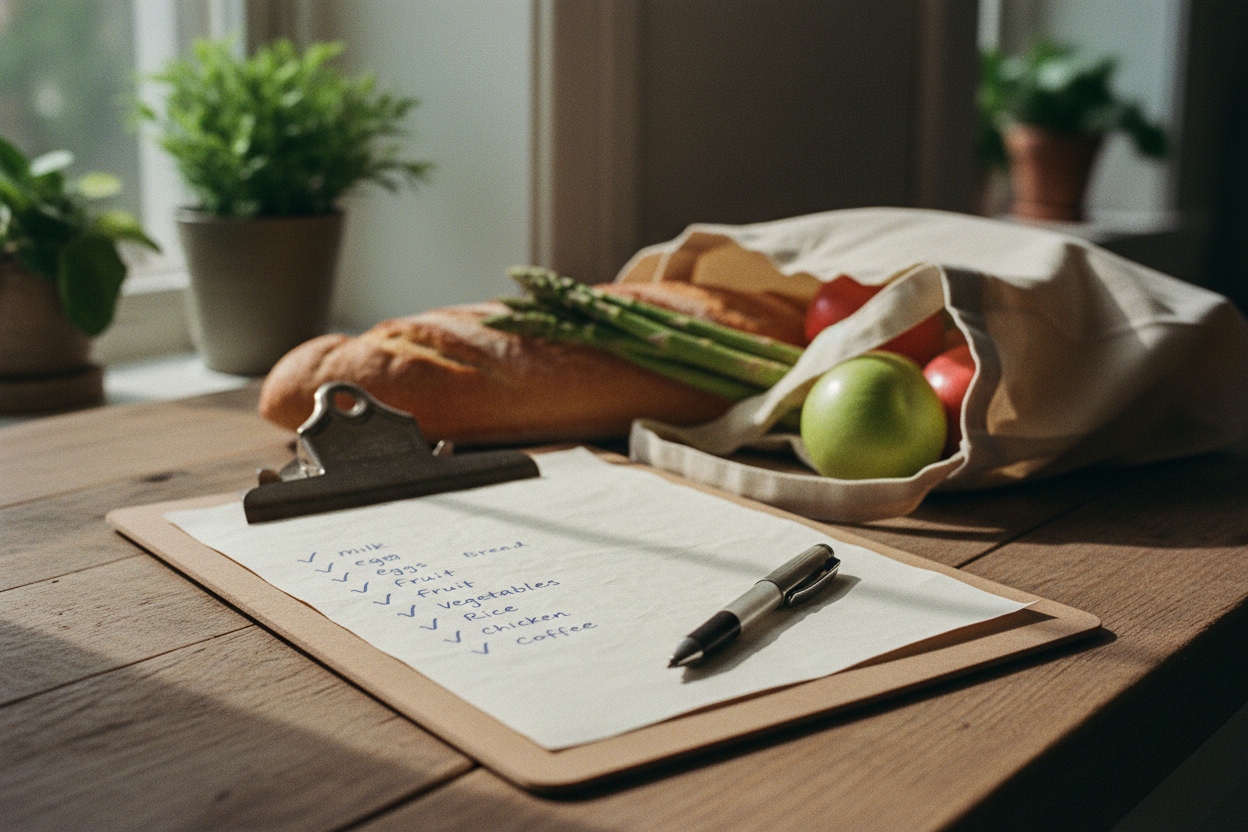
Balance your macros. A list that works for any diet gives you options across protein, complex carbohydrates, and healthy fats, with fiber and micronutrients in supporting roles. For protein, think diversity and purpose: eggs for speed, yogurt or fortified plant yogurt for snacks, canned fish or beans for convenience, tofu or tempeh for versatility, and lean meats or poultry for centerpiece meals. For carbohydrates, favor whole grains like oats, brown rice, quinoa, and hearty breads, plus starchy vegetables and fruit. For fats, stock olive oil, avocado, nuts, seeds, and nut butters. Adjust amounts to your needs without deleting a whole group; lower carb plans lean more on nonstarchy produce and proteins, plant forward eaters emphasize legumes and grains, and gluten free shoppers choose compatible grains. Keep an eye on satiety by pairing protein and fiber, and on energy by spacing meals and snacks that combine macros, so your cart supports steady performance.
Colorful produce strategy. Build your list around a rainbow of plants to maximize flavor, texture, and nutrients. Choose a mix of quick wilt items and long keepers to reduce waste. Tender greens, herbs, and berries shine early in the week; sturdier picks like carrots, cabbage, citrus, apples, and squash hold well for later. Aim for at least one leafy green, one crucifer like broccoli or cauliflower, one orange source such as sweet potato, and a few alliums like onions and garlic for depth. Do not overlook frozen and canned options without added salt or sugar; they are often harvested at peak and make excellent backups for soups, smoothies, and stir fries. Precut produce saves time but may cost more, so weigh convenience against budget. Add fresh herbs or a citrus trio for brightness, plus an aromatic base like celery, onions, and carrots. Consider storage: breathable bags for greens, cool dark spots for potatoes, and a produce rotation habit to keep everything moving.
Smart pantry and staples. A strong pantry turns scattered items into complete meals. Stock versatile grains such as rice, oats, quinoa, and a pasta you enjoy, alongside legumes like lentils, chickpeas, and black beans for effortless protein and fiber. Keep canned tomatoes, tomato paste, coconut milk, broth or bouillon, and a few quick sauces or base condiments for building soups, stews, and skillet meals. Flavor is a multiplier, so refresh your spice rack with essentials like garlic powder, smoked paprika, cumin, oregano, cinnamon, and chili flakes, plus a couple of blends you truly use. Round out with olive oil, a neutral high heat oil, vinegars for brightness, soy sauce or a similar umami booster, mustard, and tahini or nut butter. Baking basics such as flour, leaveners, and cocoa open doors for breads and treats. Prioritize longevity and versatility, check labels for sodium and added sugars, and choose container sizes you can finish before quality fades.
Time, budget, and waste savers. Plan for reality, not fantasy. If weeknights are busy, choose a few shortcut items like rotisserie style chicken alternatives, prewashed greens, or microwave ready grains, then bolsters with fresh add ons. Batch cook building blocks on one day, such as a pot of beans, a tray of roasted vegetables, or a grain base, and recombine through the week with varied sauces and spices. Compare unit prices, buy in bulk for shelf stable goods you truly use, and favor store brands when quality matches. Protect your food with airtight containers, freezer safe bags, and labels, and practice first in first out so older items get used first. Turn odds and ends into frittatas, fried rice, grain bowls, or soups. Use stems in pesto, stale bread for croutons, and citrus peels for zest. Plan snacks with intent, balancing crunch and protein to curb random grazing and keep your list purposeful.
Build your list blueprint. Create a reusable template so you are never starting from scratch. Structure it by categories with a few example slots in each. Produce might include two leafy greens, two crucifers, a berry, a citrus, and two long keepers. Proteins might include eggs, one plant protein, one quick canned option, and one feature protein. Carbs might include one grain, one bread or wrap, and two starchy vegetables. Fats and flavor could be olive oil, nuts or seeds, an herb, an aromatic, a vinegar, and two spices to refresh. Add dairy or alternatives as needed. In your notes, include ideal quantities and fallback swaps to adapt in store. Before checkout, scan for balance across macros, color, and storage life. This blueprint protects variety, tames decision fatigue, and keeps your cart aligned with your meals, your budget, and your values, no matter which eating style you follow.