Clean Beauty Decoded: Ingredients to Know
Decode clean beauty with a savvy guide to hero ingredients, what to avoid, and how to read labels so you can build a safer, high-performing routine.
Defining Clean Beauty
Clean beauty is a practice focused on safety, transparency, and performance. Rather than fear-based lists, it encourages understanding INCI names, concentrations, and context. A clean formula aims to minimize known irritants and unnecessary fillers, prioritize biodegradability, and consider ethical sourcing and packaging. Start by scanning an ingredient list from highest to lowest concentration; water or aloe often lead, while potent actives appear mid-list. Seek transparency on percentages for star ingredients such as niacinamide or vitamin C, though not all labels disclose this data. Patch test new products on the inner arm or behind the ear to check sensitivity and compatibility. Equally important is formulation balance: a product is more than one trendy extract; look for a cohesive blend of humectants, emollients, and stabilizers. Texture, pH, and delivery systems determine efficacy as much as the ingredient itself. If you prefer fragrance-free, verify both perfume and essential oils are absent. Ultimately, clean beauty values thoughtful trade-offs, aiming for safety, clarity, and results without unnecessary complexity.
Hydration and Barrier Heroes
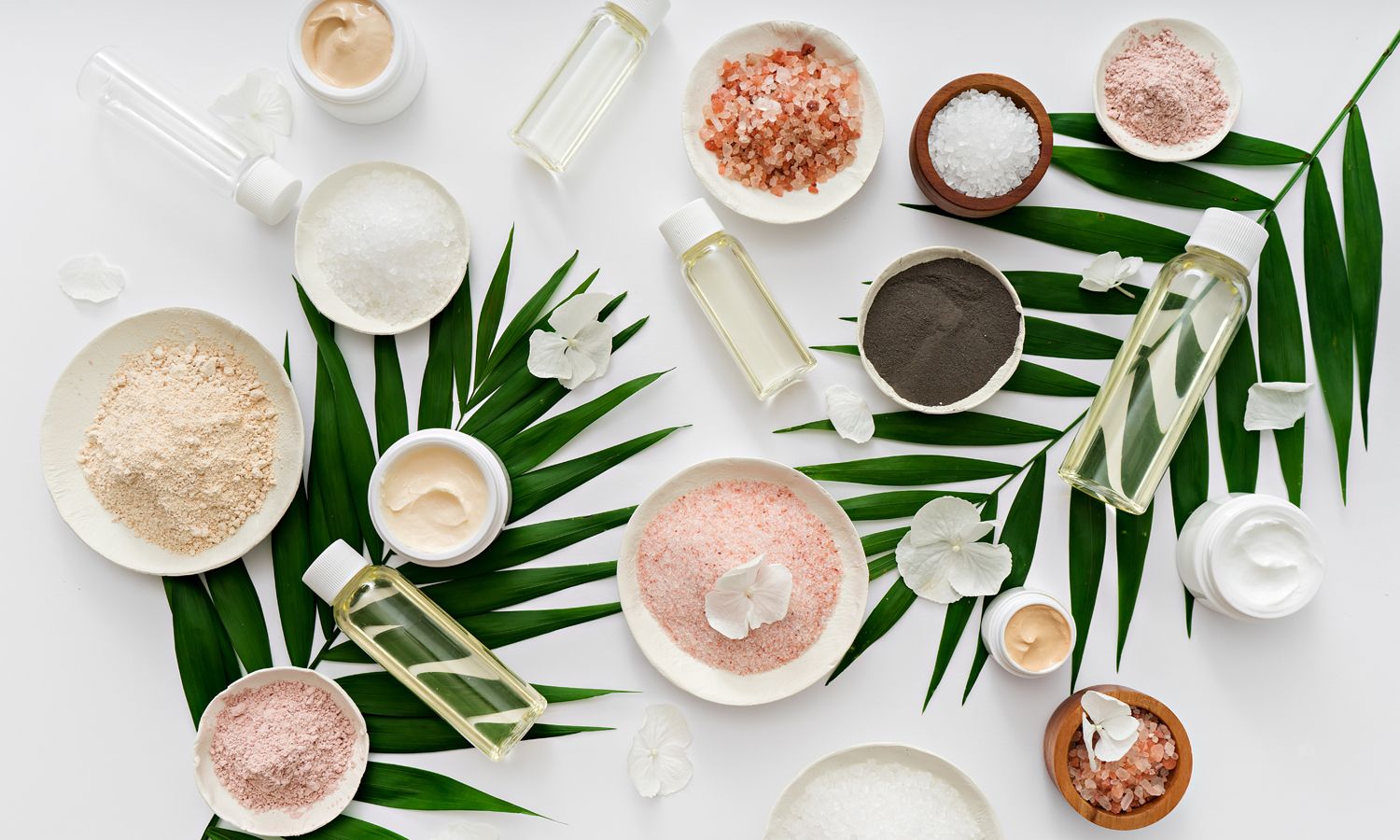
When decoding moisturizers and serums, begin with hydration mechanics. Humectants like hyaluronic acid, glycerin, aloe vera, and panthenol attract water to the skin's surface. Emollients such as squalane, ceramides, shea butter, and jojoba oil soften rough texture and help fill microscopic gaps. Occlusives like plant waxes or certain butters create a breathable seal that slows TEWL (transepidermal water loss). A simple layering guide: apply a water-rich serum first, follow with an emollient cream, and finish with an occlusive if your climate or skin type calls for extra protection. Look for barrier-supportive cues like cholesterol, fatty acids, and a skin-friendly pH. If you are sensitive, consider fragrance-free options and keep essential oils minimal or absent. Remember that over-hydration can feel tight or pruney; balance humectants with lipids to avoid that effect. Clean, effective hydration relies on synergistic blends that replenish, cushion, and protect without heaviness or residue.
Brighteners, Soothers, and Antioxidants
If your goal is a more even look and calm complexion, prioritize multi-tasking actives. Vitamin C (ascorbic acid or stable derivatives like sodium ascorbyl phosphate) brightens the appearance of dullness and partners well with vitamin E and ferulic acid for antioxidant synergy. Niacinamide visibly refines texture, supports barrier function, and helps temper the look of redness. For gentle clarity, azelaic acid and licorice root can soften the appearance of blotchiness without harshness. To soothe and fortify, reach for allantoin, panthenol, centella asiatica, beta-glucan, and bisabolol. Botanical antioxidants such as green tea polyphenols, resveratrol, and coenzyme Q10 help shield against environmental stressors. Stability matters: airless or opaque packaging can help keep sensitive actives potent, while pH-appropriate formulas enhance efficacy and comfort. Introduce one brightener at a time, especially if your routine already includes exfoliants. With clean beauty, aim for balanced formulas that deliver visible brightness and calm without sacrificing barrier health.
Exfoliants and Renewers
Exfoliants refine texture and boost glow, but the type and pace matter. AHAs like lactic and glycolic acid smooth the skin's surface and target dullness; BHAs such as salicylic acid travel into pores, making them favorites for congestion; PHAs like gluconolactone offer a milder, more hydrating option. Start low and slow, watching for signs of over-exfoliation such as tightness or flaking. Pair acids with replenishing allies like ceramides, beta-glucan, and aloe. For renewal, retinoids (retinol, retinal) encourage a fresher look over time; a plant-derived alternative, bakuchiol, can be gentler for some. Consider alternating nights—exfoliant one evening, retinoid the next—to support tolerance. Avoid stacking multiple strong actives in a single session, and buffer with a soothing moisturizer when needed. If sensitivity arises, scale back frequency and lean on panthenol and allantoin for comfort. Thoughtful pacing turns potent actives into steady performers, preserving clarity and resilience.
Sunscreens, Preservatives, and Smart Labels
No clean routine is complete without daily sun protection. Mineral filters like zinc oxide and titanium dioxide provide broad-spectrum defense and suit many sensitive skin types. If a white cast is a concern, consider formulas with tints or modern dispersion tech for a more seamless finish. Remember to apply enough product and reapply as needed for consistent coverage. Clean does not mean preservative-free; safe preservation prevents contamination. Look for well-studied options such as phenoxyethanol, potassium sorbate, sodium benzoate, and supportive chelators like sodium phytate. Gentle surfactants such as coco-glucoside can cleanse without stripping, especially when paired with replenishing lipids. Treat labels as guides, not verdicts: fragrance-free can help reactive skin, while terms like hypoallergenic are not guarantees. Read ingredient lists, consider texture preferences, and note how your skin responds over time. Sustainable choices—recyclable materials, airless pumps, and concentrated formats—add thoughtful value to a clean, effective routine.