Declutter Your Space, Clear Your Mind
Transform your home into a calm, functional haven. Simple decluttering habits reduce stress, sharpen focus, and create space for what truly matters.
The Mental Weight of Mess
Clutter acts like background static, quietly taxing your brain and energy. Every stray paper, unmatched lid, or half-finished project becomes visual noise, nudging your attention to keep processing it. Over time, this creates decision fatigue, making even simple choices feel heavier. A clear surface, by contrast, reduces cognitive load and frees mental bandwidth for curiosity, focus, and rest. When your space is arranged with intention, you signal safety and sufficiency to your nervous system, which can lower tension and support calm productivity. Imagine a kitchen where only daily tools live on the counter, or a desk where your next action is obvious because the rest is out of view yet easy to find. That is not austerity; it is purposeful simplicity. Decluttering is less about perfection and more about reclaiming mental real estate. By removing friction and interruptions, you create room for deeper thinking, warmer relationships, and the everyday joy of knowing where things belong and how your day will flow.
Start With a Clear Audit
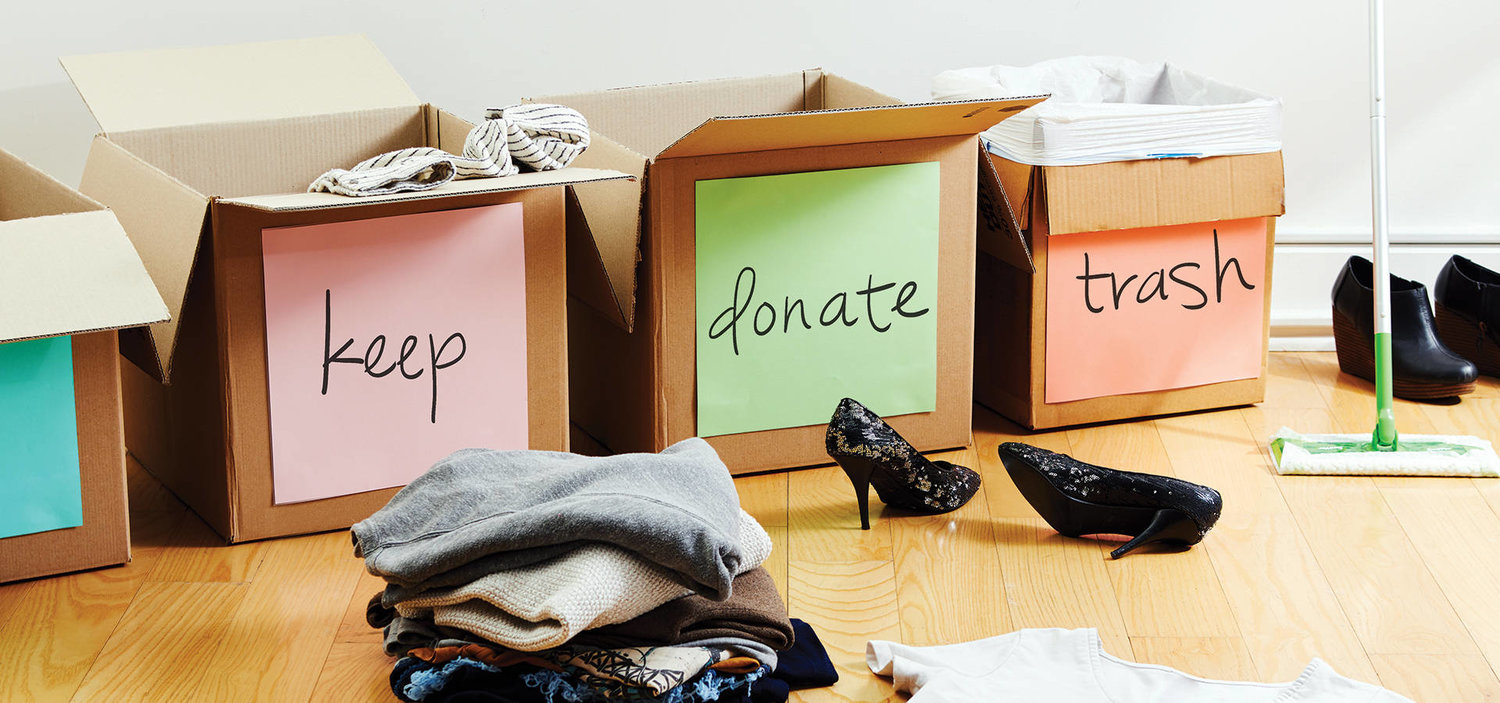
Begin with a focused audit that replaces vague intentions with concrete choices. Work in contained zones: a drawer, a shelf, a single corner. Sort into four paths: keep, donate, recycle, discard. Let function-first thinking guide you. Keep what supports your current lifestyle, not a past identity or a future fantasy. Ask whether each item earns its footprint by being used, loved, or necessary. Duplicate gadgets, expired products, broken tools, and just-in-case clutter quietly erode clarity; release them to lighten your load. Apply the helpful idea that a small set of belongings covers most needs, and the rest often creates drag. In a wardrobe, curate a capsule of versatile pieces; in the kitchen, favor multi-use tools. For paper, capture only what requires action or reference, then digitize and shred the rest. Use a timer to limit overthinking, narrate decisions aloud to build momentum, and remember that every exit path you set up is an act of self-respect.
Simple Systems That Stick
Sustainable spaces rely on systems that are easy to start, easy to continue, and easy to recover when life gets messy. Embrace the one-touch rule: when possible, put items directly where they belong instead of staging piles. Pair this with one-in, one-out to prevent rebound clutter. Create landing zones for keys, bags, mail, and tech; label them so anyone in the household can help maintain order. Use containers as constraints—right-size bins and drawer dividers set a clear capacity and stop overflow. Schedule quick micro-resets: a daily ten-minute tidy and a slightly longer weekly review. For digital life, mirror your physical system with simple folders named for action, reference, and archive; batch notifications and unsubscribe from noise. Keep supplies where tasks happen, not where empty space exists. Above all, design for the version of you at your most tired: lower hooks, visible baskets, and clear homes for essentials make the tidy choice frictionless and repeatable.
Design Your Space for Calm and Flow
Thoughtful design turns decluttering into a lifestyle by aligning your space with habit loops. Start with zoning: group items by activity and frequency of use, storing the most-used within arm's reach. Prioritize clear surfaces to reduce visual stress and to cue action, not storage. Use vertical space with wall racks and shelves, and corral small items on trays to create visual borders. Favor breathable containers and transparent or labeled bins for instant recognition. A soft palette, warm lighting, and natural textures can support restorative focus, while plants and subtle scent cues invite you to pause and reset. Build stations for recurring routines: a morning nook with mug, spoon, and tea; a entry zone with hooks, shoe mat, and mail sorter; a creative corner with only the tools needed for the next step. Hide bulky gear in closed storage and display a curated few items that spark joy and identity. Design is not decoration alone; it is the architecture of your daily ease.
Sustain, Reflect, and Grow
Clutter creeps back when life changes, so maintenance is a practice of gentle iteration. Schedule recurring reviews for hotspots like the entry, closet, and desk, and keep a donation bag open so outgrown items have a clear exit. Practice mindful intake by pausing before purchases, borrowing when possible, and letting a wish simmer for a while. Keep a simple scorecard: clear surfaces most days, quick retrieval of essentials, and a calm baseline you can return to after a busy week. When lapses happen, skip shame and restart with the smallest possible win, like clearing one flat surface. Reflect on the mental benefits—better sleep, quicker mornings, calmer evenings—and anchor them to your identity as someone who values lightness and clarity. Celebrate progress with a photo before and after each mini-zone, and share the system with others in your home so maintenance is shared. Over time, your space becomes a quiet coach, guiding you toward presence, creativity, and ease.