How Soundtracks Shape Stories: Music in Film and TV
From Jaws' two notes to Stranger Things' synths, film and TV soundtracks steer emotion, pace, and meaning—often as powerfully as dialogue.
Emotion as Narrative Glue
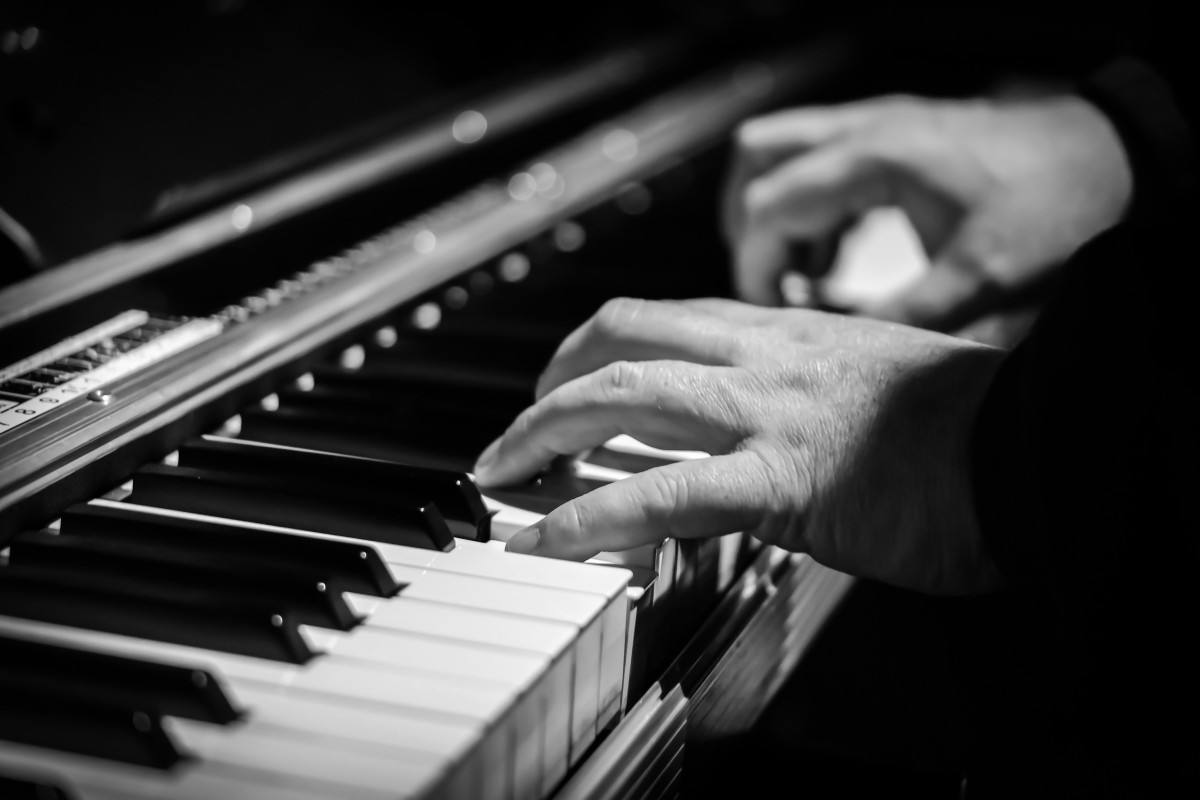
In film and television, music operates as emotion made audible, binding images and dialogue into a single, persuasive experience within the world of entertainment. A delicate piano arpeggio can whisper vulnerability; a brassy fanfare can announce triumph before a character speaks. Composers shape our response by choosing harmony, tempo, and timbre that mirror a character's inner weather, letting viewers feel subtext without exposition. The distinction between diegetic and non-diegetic sound further sculpts meaning: a song a character plays on screen invites us into the scene's reality, while an unseen score surrounds us with perspective. Strategically deployed silence heightens tension, making the return of music feel revelatory. Repeated phrases, or motifs, attach feelings to places and decisions, so even a single chord can foreshadow change. As mood architects, composers build empathy, steer anxiety, and lend the smallest glance a symphonic weight, proving that a soundtrack is not decoration but narrative itself.
Character and World-Building
The most memorable stories often give characters a sonic fingerprint through a leitmotif—a recurring musical idea tied to a person, relationship, or ideal. When that theme returns, it carries accumulated meaning, evolving as the character grows: a confident motif might arrive in a restrained key to show doubt, or bloom into full orchestration to mark resolve. Instrument choices sketch worlds with texture. Wooden flutes and hand percussion can suggest earthbound tradition, while shimmering synths can paint technological wonder. Subtle shifts in arrangement—adding a countermelody, changing the register, thinning the harmony—track psychological shifts without a line of dialogue. World-building extends beyond melody to texture: ambient drones, distant choirs, or street-level rhythms create a sense of place as vivid as any set design. Thoughtful scoring also respects cultural nuance, weaving influences with care and authenticity. By aligning musical identity with character arcs and setting, storytellers craft universes that feel lived-in, coherent, and emotionally legible.
Pacing, Structure, and Suspense
Editing is rhythm, and music is its metronome. A scene's pacing often rides the spine of a cue's tempo, guiding cuts, camera movement, and even the onset of a character's decisive breath. Tight ostinatos accelerate momentum in chases and debates alike, while held chords and lingering reverbs stretch moments into contemplation. Smart use of dynamics—from whisper-quiet textures to bold crescendos—delivers the rollercoaster of tension and release on which compelling structure depends. Composers and editors sculpt transitions with crossfades, stingers, and rhythmic pickups that bridge scenes, preserving narrative energy or creating purposeful rupture. Strategic misdirection—hinting at danger with a trembling tremolo, then withholding payoff—invites the audience to lean forward. Conversely, an unexpected burst of warmth can release narrative pressure, resetting attention. Whether anchoring a montage, underscoring dialogue, or framing a reveal, the score partners with the cut to choreograph time, making sequences feel inevitable, breathless, or luxuriously suspended.
Genres and Expectations
Every genre carries musical expectations that storytellers can fulfill or subvert. Horror leans on dissonance, unsettling textures, and sudden stings that hijack reflexes, while thrillers favor pulsing patterns that simmer under the surface like a held breath. Romance often draws lush strings, intimate piano, or gentle guitars to mirror tenderness, whereas comedy plays with rhythmic timing, playful woodwinds, or even tactical silence that turns a beat into a punchline. Documentary projects might use restrained motifs to respect reality while subtly guiding focus, and animation can embrace bold melodic clarity to support visual dynamism. Modern soundtracks also blend global influences—traditional instruments, contemporary beats, and experimental sound design—to reflect today's diverse storytelling. Nostalgic palettes, like analog synths or vintage drum machines, evoke eras without a word, while fresh hybrids challenge assumptions. By toggling between convention and surprise, creators harness audiences' learned listening, reinforcing genre signals when helpful and bending them when a story needs new angles.
Behind the Scenes: Collaboration and Craft
Shaping a soundtrack is a deeply collaborative craft. Directors, showrunners, composers, and the music supervisor meet for spotting sessions to map where music should enter, breathe, and exit, aligning emotional beats with the arc. Temporary cues may sketch pacing, but original music ultimately tailors narrative nuance. Choices around needle drops—licensed songs that carry cultural resonance—must balance story, budget, and rights, while the score knits everything together with thematic cohesion. Across episodes, evolving themes provide continuity, turning an opening phrase into sonic branding that audiences recognize instantly. On the technical side, mixers juggle dialogue, effects, and music so each claims its moment without crowding another, preserving intelligibility and impact. Accessibility matters too; well-crafted captions and descriptive tags help convey musical intent to more viewers. From first theme draft to final mastering, the process is iterative and precise, proving that music is not an afterthought but a primary tool for storytelling in entertainment.