How to Read Food Labels Like a Pro
Decode labels fast: check serving size, calories, added sugars, sodium, fiber, and %DV; scan ingredient order; ignore hype and choose simple, whole foods.
Decode Serving Size First
Before anything else on a food label, find the Serving Size. It sets the terms for every other number you see. Packages often look like a single portion but hide multiple servings inside, so one quick snack can double or triple your intake without you noticing. Compare the listed serving to how you actually eat: cups versus grams, pieces versus slices, or tablespoons versus teaspoons. The unit matters. A dense granola measured by weight can be very different from a loose cereal measured by volume. If you share a package or eat from a container, estimate how many servings you truly consume and multiply the calories, sodium, and added sugars accordingly. Pay attention to servings per container on multi-serve items, especially drinks, sauces, and ready-to-eat meals. For accuracy, use a measuring cup or kitchen scale at home a few times to calibrate your eye. Once you internalize realistic portions, the entire label becomes a trustworthy guide instead of a guessing game.
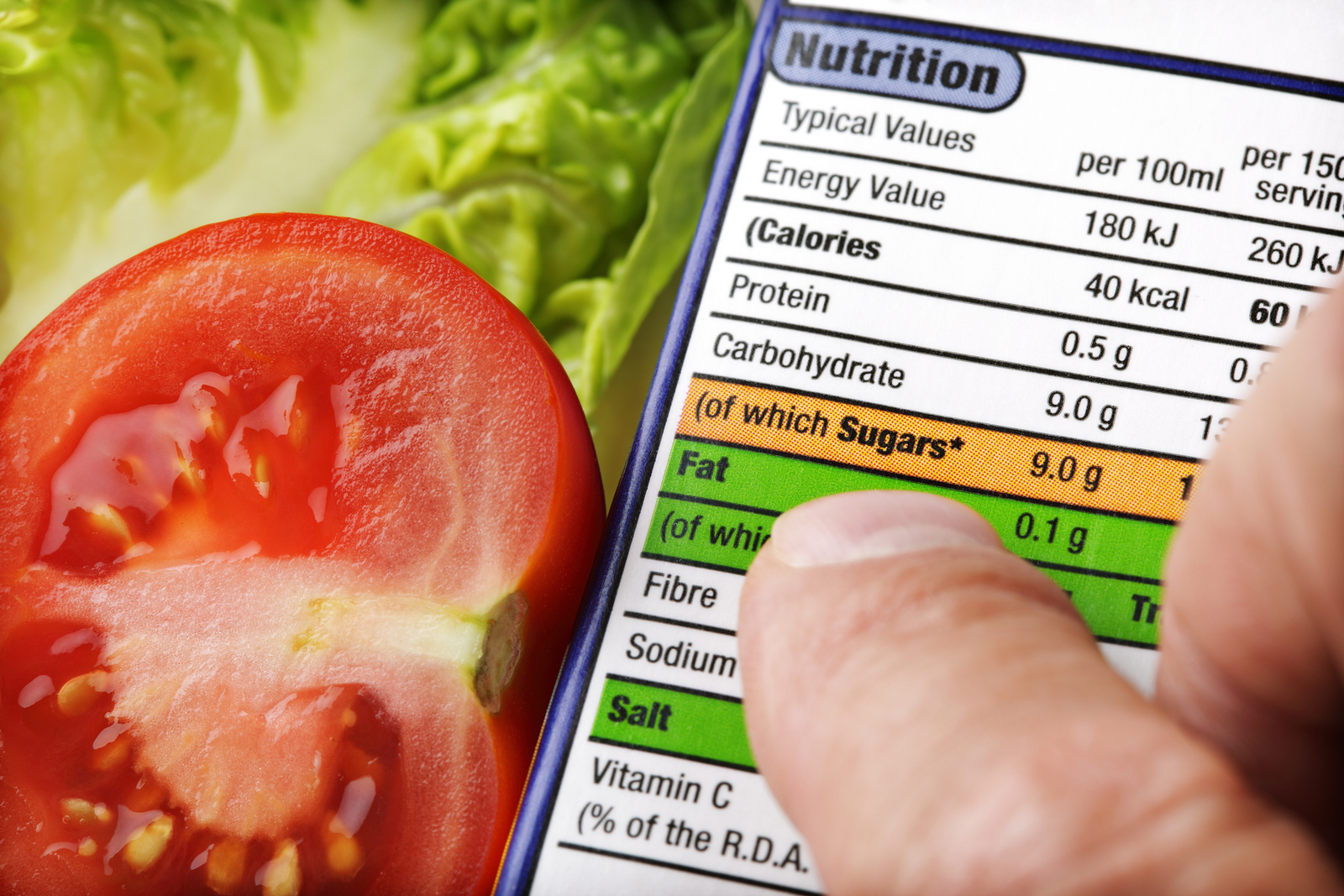
Calorie Count in Real Portions
With serving size locked in, read calories in the context of your actual portion. Calorie numbers alone can mislead when you combine foods, add toppings, or pour generous amounts. Consider how extras like oils, dressings, cheese, or nut butters stack up quickly. Be mindful of liquid calories; beverages, smoothies, and specialty coffees can deliver more energy than a full meal. Also note caloric density: small volumes of nuts, chocolate, or fried snacks pack a lot of energy per bite, while vegetables and broth-based soups are low-density options. Cooking method matters too; baking versus frying can shift calories and fats, and draining or rinsing can change totals for items like canned beans. For frozen meals, the side dish you add may double the final count. Use the label to build a balanced plate rather than to police single items. When calories align with your hunger, activity, and goals, you get sustained energy without surprise overages.
Percent Daily Value as a Compass
The Percent Daily Value (DV) helps you quickly judge whether a nutrient is low, moderate, or high. As a practical shortcut, around 5 percent DV per serving is generally low, and around 20 percent DV is high. Use this compass to target what you want more of and limit what you need less of. For instance, a high DV of fiber or calcium can be beneficial, while a high DV of saturated fat, sodium, or added sugars may be a red flag if you are watching those nutrients. Remember that Daily Value is based on average needs, so your personal targets may differ depending on age, activity, and health goals. Also think across your whole day. A moderate sodium DV at breakfast, lunch, and dinner can still add up to a high total by night. When comparing similar products, line up DVs side by side to see which option offers the most nutrient value for the fewest trade-offs.
Ingredients List Tells the Story
The Ingredients list reveals what is actually in the food and in what relative amounts. Ingredients appear in descending order by weight, so the first few items drive the product's character. Look for whole foods near the top, such as whole grains, legumes, nuts, seeds, vegetables, and fruits. Scan for added sugars under many names, like cane sugar, honey, syrups, and concentrated juices. Multiple sugars scattered throughout can climb the list collectively. Check the types of oils used; options like olive or canola are often preferable to tropical oils that are higher in saturated fat. Be aware of additives such as emulsifiers, colors, and flavors; they are not automatically bad, but they provide context for how processed a food may be. For anyone with sensitivities, review allergen statements carefully, including may contain or processed in a facility notes. A shorter list is not always superior, yet familiarity and transparency usually make for more confident choices.
Nutrients to Limit and To Seek
Balance your cart by watching both nutrients to limit and those to encourage. On the limit side, track saturated fat, trans fat if listed, sodium, and added sugars. Elevated amounts across meals can raise risk factors and crowd out room for better choices. On the positive side, prioritize fiber, protein, and essential minerals like potassium, calcium, and iron. Fiber supports digestion and fullness, especially from whole grains, beans, vegetables, and fruit. Protein helps with satiety and muscle maintenance; combine plant and animal sources to fit your preferences. Micronutrients often show up on the label with %DV, so use that to spot foods that help fill gaps. Consider context: a higher-sodium broth may be fine if you dilute it with water and vegetables, while a higher-sugar yogurt could be balanced with nuts and seeds. Aim for the overall pattern of your day to favor nutrient-dense foods without fixating on perfection in any single item.
Claims and Buzzwords Without the Hype
Front-of-pack claims are marketing, not marching orders. Terms like natural, multigrain, light, low fat, no added sugar, gluten-free, or organic can be helpful signals, but they do not guarantee overall nutrition. Always flip to the Nutrition Facts and Ingredients to verify. A low-fat item may be high in added sugars, while a sugar-free treat might include more saturated fat or sodium. Multigrain does not necessarily mean whole grain; check for whole as the first grain ingredient. Gluten-free products can be essential for those who need them, yet some versions are lower in fiber or higher in starches. Even reduced or light claims rely on comparisons to a reference product, not an absolute health standard. Use these buzzwords as starting points, then confirm with serving size, DV, and ingredient quality. The more you practice this cross-check, the faster you will sort genuine benefits from clever packaging.
Special Considerations and Smart Comparisons
Tailor labels to your needs. If you manage blood sugar, scan total carbohydrates, added sugars, and fiber together to gauge net impact, and consider portion timing throughout the day. For blood pressure, prioritize lower sodium and higher potassium foods. If you follow vegetarian or vegan patterns, confirm protein quality and watch for key nutrients like iron, calcium, vitamin B12, and omega-3 sources. When comparing similar products, standardize by looking per 100 grams or per 100 milliliters when possible, which levels the playing field across brands with different serving sizes. Also weigh price per unit and storage: bulk packages can be economical if you portion and freeze. In the grocery aisle, build a quick routine—check serving size, scan calories, skim DV highs and lows, read the first few ingredients, then make your pick. Keep a mental short list of go-to items so each trip gets faster, more confident, and more aligned with your goals.