Nail Care Secrets: Strong, Glossy, and Long-Lasting
Discover pro nail-care secrets for stronger tips, mirror gloss, and chip-resistant wear—prep, nutrition, smart polishing, and daily habits.
Healthy nails start within
Strong, glossy nails begin with everyday choices that nourish your body and protect your hands. Nails are made of keratin, a protein that benefits from a balanced intake of protein, healthy fats, and minerals. Build plates from the inside by enjoying foods rich in biotin, zinc, iron, and omega-3s, while prioritizing steady hydration to keep the nail matrix functioning smoothly. Circulation supports growth, so take moments to massage cuticles with a nutrient-dense oil, encouraging flexible, resilient edges. Just as important is what you avoid. Resist using nails as tools to pry, scrape, or open packages; this common habit causes microtears and peeling. Shield your hands with gloves during cleaning or gardening to reduce exposure to water, detergents, and soil that dehydrate the nail plate. Finally, balance is everything: nails thrive when the surrounding cuticles are supple, the plate stays lightly moisturized, and surfaces remain clean. This inside-out approach sets the foundation for a naturally strong, polished look that enhances your overall beauty routine.
Daily care rituals that matter
Consistency turns good intentions into visible results. Start by washing hands with a gentle, pH-balanced cleanser and lukewarm water to avoid stripping vital oils. Pat dry rather than rub, then seal in moisture with cuticle oil followed by hand cream to lock in hydration. A pea-sized amount massaged around the nail folds prevents hangnails, supports flexibility, and reduces splitting. After showers or soaks, softly push back, never cut, the cuticle to keep the nail bed neat without inviting irritation. Keep nails at a length you can manage comfortably; routine micro-trims maintain symmetry and discourage snags. When tackling chores, slip on protective gloves to guard against detergents and prolonged soaking, the leading culprits behind peeling. If you use sanitizer often, choose one with humectants and follow with oil or lotion to rebalance. Small behaviors add up: open soda tabs with a spoon, peel labels with an old card, and treat your nails as decorative extensions of your hands, not as multifunction tools.
Shape and file like a pro
Perfect shape begins with thoughtful technique. Choose a glass or crystal file for precise, gentle abrasion that seals the edge and reduces fraying. File in one direction with light, even strokes, guiding from the outer corner toward the center; avoid sawing back and forth, which creates microcracks. Keep sidewalls intact to preserve structural strength, and bevel the underside slightly to clean the free edge. Pick a silhouette aligned with your lifestyle: round resists snags, oval elongates fingers, squoval balances elegance and durability, and almond flatters longer beds with careful maintenance. If ridges are visible, use a soft buffer sparingly across the whole plate; over-buffing thins nails and dulls their natural resilience. After shaping, sweep away dust and condition the cuticle line. This careful sculpting process protects against chips, helps polish sit smoother, and supports a longer-lasting, professional finish. With deliberate motion and the right tools, your at-home shaping will echo the results of a seasoned beauty pro.
Prep and polish for gloss and grip
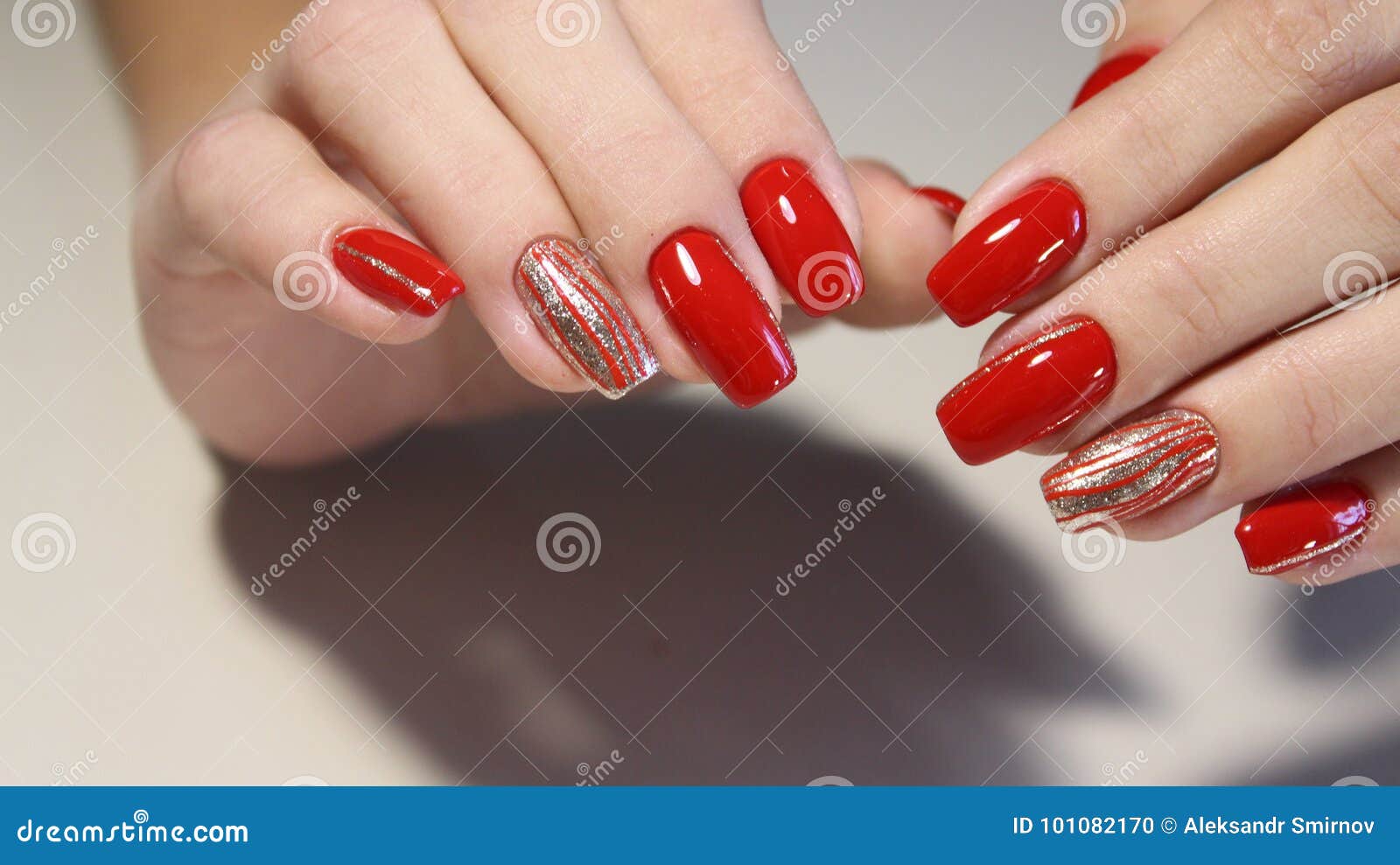
A brilliant, durable manicure is built on proper prep. Start by removing oils and residue with a gentle nail cleanser or a light alcohol wipe, then ensure nails are completely dry. Apply a thin base coat to boost adhesion, protect against staining, and smooth minor texture; if ridges are prominent, opt for a ridge-filling base. Load the brush lightly and apply thin layers, capping the edge to wrap the tips and guard against lift. Roll polish bottles between your palms instead of shaking to minimize bubbles, and allow adequate drying time between coats. Use a small cleanup brush dipped in remover to refine the cuticle line for crisp, professional edges. Seal with a glossy, quick-curing top coat that resists scuffs and enhances shine. Once fully dry, nourish the surrounding skin with cuticle oil to restore flexibility. This thoughtful sequence locks in color, amplifies gloss, and extends wear, transforming a simple paint job into a salon-worthy statement.
Strength without stiffness
Stronger nails do not have to feel rigid or brittle. Choose flexible strengtheners that reinforce the plate while allowing natural movement, reducing snap-prone stiffness. Alternate treatment days with oil therapy, feeding the nail plate and surrounding skin with ingredients that support the oil-to-water balance. When a split appears, stabilize it early: anchor with a silk wrap or a fine tea bag patch and a dab of clear product to prevent further tearing. Avoid aggressive filing of the surface, which thins and weakens the structure over time. If you enjoy enhancements, prioritize gentle preparation and proper removal to safeguard the natural plate. Give yourself restorative intervals with bare nails plus diligent oiling and hand care. Consider a keratin-bonding treatment if nails are especially soft, then layer polish wisely for added support. By keeping flexibility in focus, you build resilience from the inside out, achieving strength that bends instead of breaks and a naturally glossy finish that lasts.
Make it last longer
Longevity is a series of small, smart moves. Reapply top coat every couple of days to refresh shine and reinforce chip resistance, again remembering to cap the edge. Avoid prolonged heat and water exposure for the first hours after polishing; warmth can soften layers and invite dents. Wear gloves for dishwashing and cleaning, and blot rather than rub nails dry after bathing. Keep a tiny repair kit in your bag: a mini file, an orange stick for tidy edges, a lint-free wipe, and a small bottle of top coat. At the first sign of a micro-chip, file the edge smooth, touch up the color in a whisper-thin layer, and seal with top coat. Choose finishes strategically; softer neutrals disguise wear, while bold shades look best with meticulous upkeep. Resist picking at lifting corners; instead, soak briefly and refine gently. These habits protect your polish, extend your beauty payoff, and keep nails fresh between full manicure sessions.
Hygiene, troubleshooting, and smart habits
Clean tools are nonnegotiable. Wash files and pushers with soap and water, dry thoroughly, and sanitize with an appropriate alcohol-based solution; retire worn buffers that overwork the plate. Watch for signals: yellowing often stems from pigment without a base coat, peeling can follow overexposure to water or removers, and white spots typically reflect mild trauma. Address the root cause, then respond kindly with oil, gentle shaping, and a polish pause when needed. If ridges deepen, discoloration spreads, or nail changes persist, consult a qualified professional for guidance. Skip myths that claim nails must breathe; the plate is nonliving keratin, but the surrounding skin craves consistent care and moisture. Create a simple rotation: one session for shaping and polish, brief midweek oiling and top coat, and regular glove use for tasks. With mindful hygiene, early fixes, and protective routines, your nails remain strong, glossy, and reliably long-lasting, completing a polished, confident beauty look day after day.