Protein-Packed Groceries for Active Lifestyles
Stock your cart with lean meats, dairy, legumes, and smart snacks. Build high-protein meals for training, recovery, and all-day energy on the go.
Smart Protein Shopping Basics
Walking into the grocery store with an active routine in mind means planning for purposeful protein alongside colorful produce and smart carbs. Start by scanning labels for grams of protein per serving and realistic serving sizes, then compare options by cost per gram to make every dollar work harder. Favor lean cuts and minimally processed picks, and pair them with fiber-rich sides to support sustained energy and satiety. Build a cart that balances quick-cook items and shelf-stable backups: frozen fillets and veggie mixes, canned fish and beans, vacuum-packed lentils, and long-life dairy or alternatives. Prioritize complete sources or smart combinations that supply all essential amino acids, and keep an eye on sodium, added sugars, and excess oils. Think through the week with pre-workout bites, post-workout recovery meals, and simple dinners that reheat well. Stock herbs, spices, and citrus to add bright flavor without heavy calories. Finally, plan storage: clear containers for meal prep, freezer-friendly bags for portions, and a first-in-first-out habit so nothing goes to waste. With a clear list and flexible template, your basket stays delicious, nutrient-dense, and ready for movement.
Lean Animal Proteins to Stock
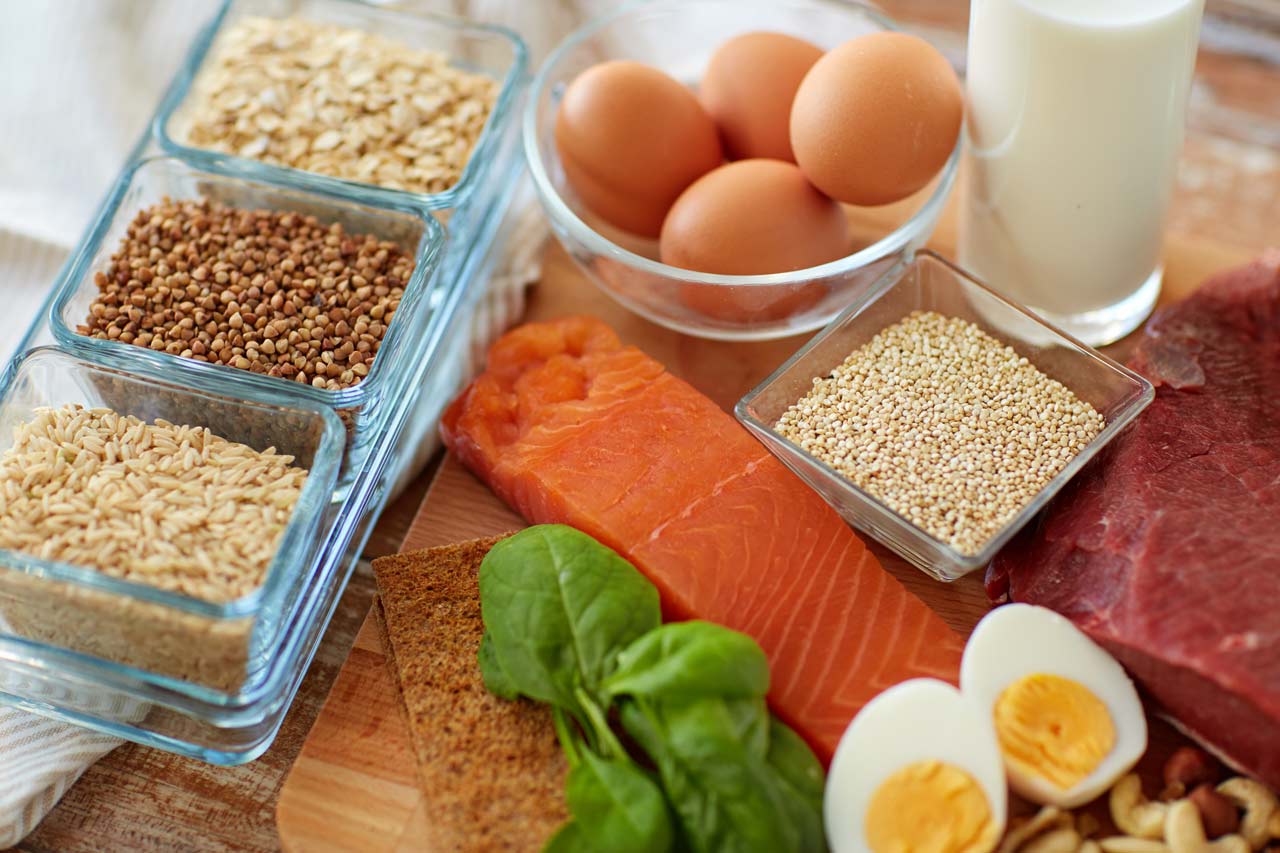
When shopping animal-based options, focus on lean and versatile choices that cook quickly and deliver highly bioavailable amino acids. Skinless chicken breast, turkey tenderloin, and lean ground poultry form a dependable core for stir-fries, sheet-pan meals, and salads. Fish such as salmon, tuna, cod, and shrimp supply robust protein; oily varieties also bring supportive fats that fit well in active meal plans. Eggs provide a budget-friendly complete protein and can be boiled in batches for portable snacks. In the dairy aisle, look for strained yogurt and cottage cheese for concentrated protein, creamy texture, and convenience in single-serve cups or larger tubs for meal prep. Canned seafood, including tuna, salmon, and sardines, is a shelf-stable staple; choose options packed in water or olive oil and check labels for sodium. For flavor without excess fat, use broiling, grilling, baking, or air roasting, and season with spice blends, garlic, and citrus. Cook thoroughly, chill promptly, and portion into reusable containers so weekday meals assemble in minutes.
Plant-Based Protein All-Stars
A powerful plant-forward cart offers protein, fiber, and phytonutrients that support training and recovery. Stock beans, lentils, chickpeas, and split peas for stews, grain bowls, and burrito fillings; they are affordable, shelf-stable, and easy to batch-cook. Tofu, tempeh, and edamame deliver complete or complementary amino acids with satisfying textures that adapt to marinades and quick sautés. Whole grains like quinoa, farro, barley, and wheat berries add steady energy while boosting overall protein intake; mix them with roasted vegetables and a tahini or yogurt sauce for a balanced bowl. Nuts and seeds—almonds, peanuts, walnuts, pumpkin, hemp, and chia—contribute plant protein plus healthy fats and crunch; rotate them in snack packs, oatmeal, and salads. Keep canned beans, vacuum-packed lentils, and frozen edamame on hand for last-minute meals, and rinse canned legumes to reduce sodium. Combine grains and legumes across the day to achieve a robust amino acid profile, and round out plates with spices, citrus, and fresh herbs for vibrant, satisfying flavor that keeps your routine exciting.
High-Protein Snacks and On-the-Go Options
A smart snack strategy bridges long gaps between meals and helps you recover after training. Build portable packs that deliver meaningful protein with moderate carbs and some healthy fat: Greek-style yogurt with berries and seeds, cottage cheese with pineapple and cinnamon, or whole grain crackers with a tuna or salmon pouch. Hard-boiled eggs, part-skim string cheese, and lower-sodium jerky provide compact protein when refrigeration or time is limited. For plant-forward bites, try roasted chickpeas, edamame cups, hummus with veggie sticks, or a trail mix of nuts, seeds, and unsweetened dried fruit. If using shakes, choose whey, casein, or plant blends like pea and rice, and scan labels for added sugars, sodium, and artificial fillers. Prep snack boxes on rest days so they are ready in your bag, car, or desk drawer. Pair snacks with water or herbal tea, and consider adding fruit or whole grains when you need extra energy for training sessions or active commutes.
Meal Prep and Budget Strategies
Strong habits turn a high-protein shopping list into weeklong ease. Choose two or three protein bases and cook them in bulk with different seasonings, such as citrus-garlic for chicken, smoky chili for tofu, and herb-lemon for fish. Use sheet-pan and one-pot methods to minimize cleanup, and portion meals into containers so breakfast, lunch, and dinner are grab-and-go. Save money by buying family packs of lean cuts, freezing portions flat for quick thawing, and leaning on frozen produce, which is picked at peak ripeness and reduces waste. Rotate cost-effective staples like eggs, canned fish, beans, and lentils, and stretch pricier items with hearty grains and vegetables. Keep a running freezer and pantry inventory to avoid duplicates and last-minute takeout. Build plates with a base of protein, a scoop of complex carbs, colorful produce, and a drizzle of healthy fat, then finish with bright herbs, crunch, or a tangy sauce. Consistency and variety together make active fueling satisfying, sustainable, and budget friendly.