Smart Grocery Shopping Tips for Fresh, Healthy Meals
Master the grocery aisle: plan meals, build a smart list, read labels, choose fresh produce, stretch your budget, and store food to keep it fresher longer.
Plan Before You Shop
A smart grocery trip starts long before you roll a cart down an aisle. Begin with a clear meal plan that matches your week, then audit your pantry, fridge, and freezer to avoid duplicates. Organize a shopping list by store sections—produce, proteins, dairy or alternatives, shelf staples, and frozen—to streamline your path and cut impulse buys. Build around nutrient-dense anchors like whole grains, lean protein, and colorful produce, and add flavor boosters such as spices, citrus, and herbs. Double up on base components to stretch effort across meals: roast extra vegetables, cook a pot of quinoa or brown rice, and prep tofu or chicken for fast mix-and-match dinners. Include balanced snacks—nuts, fruit, yogurt, or veggie sticks with hummus—and plan for leftovers to cover lunches. Keep one no-cook fallback like canned beans, eggs, or tuna for busy nights. Leave a small portion of your budget flexible for wholesome specials you can genuinely use, and choose broad themes like grain bowls or stir-fries to stay creative without waste.
Shop the Seasons and the Senses
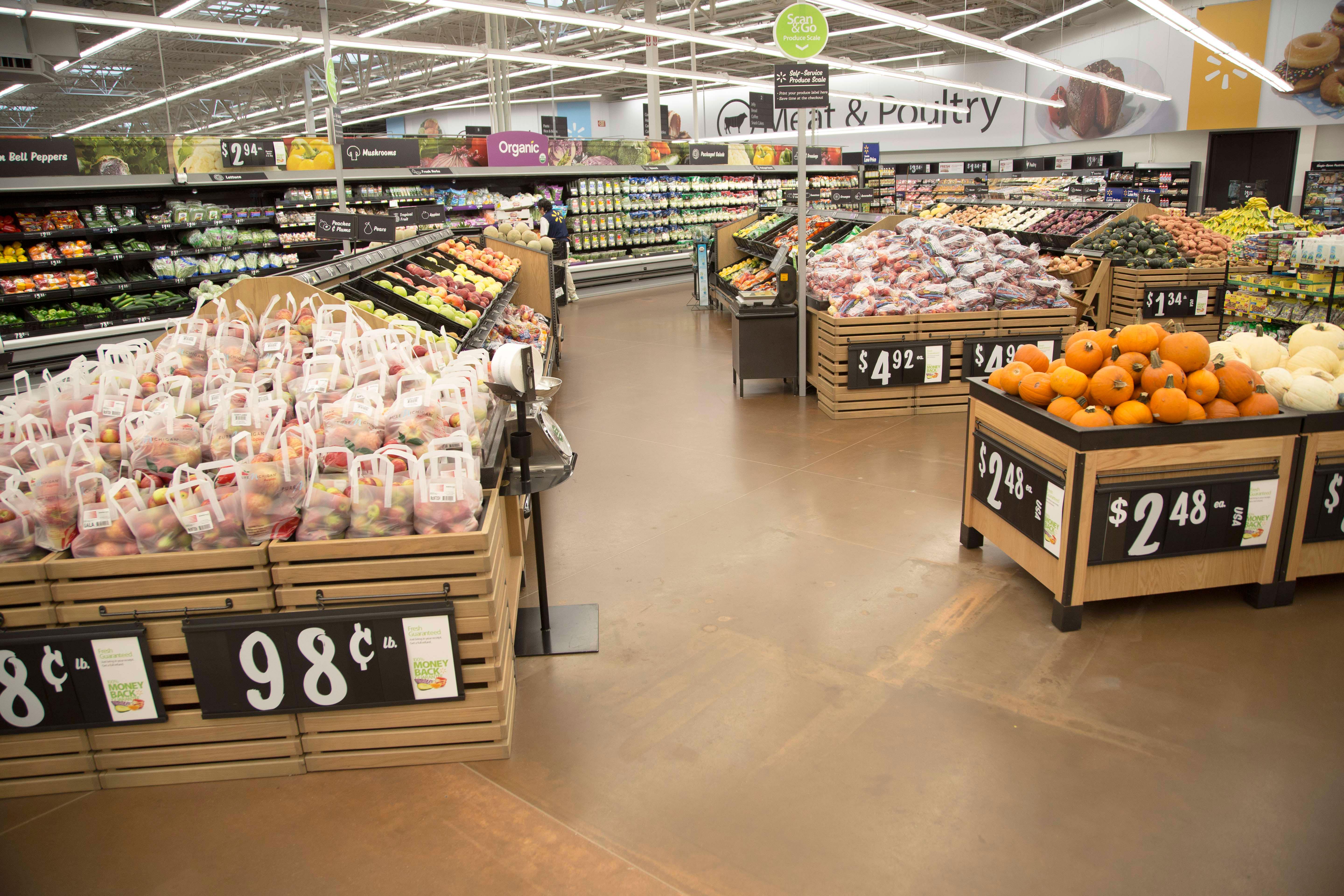
Lean into seasonal produce for peak flavor, nutrition, and value. Let your senses guide you: vibrant color, a natural aroma, and a heavy-for-size feel usually signal freshness. Check texture cues—greens should be crisp, berries plump and dry, citrus firm yet fragrant. Stagger ripeness to cover the week by buying some items ready to eat and others slightly underripe; think soft avocados and ripe tomatoes now, firmer pears and mangos for later. Choose sturdy options like cabbage, carrots, and kale for early-week salads, saving delicate greens or berries for when you can use them promptly. When fresh options are inconsistent or costly, turn to frozen vegetables and fruit picked at their prime; they are excellent in sautés, smoothies, soups, and baked dishes. Select herbs wisely—hardy types like rosemary and thyme outlast delicate basil or cilantro—and store accordingly. Avoid bruised, damp, or tightly sealed produce that traps moisture. Diversify colors to capture a spectrum of phytonutrients and antioxidants, and buy pre-cut items only when convenience truly offsets cost and shorter shelf life.
Master the Label and the Unit Price
Treat every package as a mini lesson in value and nutrition. Start with the ingredient list: fewer, recognizable ingredients generally mean less processing. Prioritize words you might cook with at home—oats, tomatoes, olive oil—and watch for added sugars, excess sodium, and artificial flavors. On the nutrition panel, align choices with your goals by favoring higher fiber, adequate protein, and minimal saturated fat while skipping trans fats and hydrogenated oils. Compare products using the unit price tag to find the best cost per ounce or per pound; bigger packages are not always the better deal. Balance brand loyalty with store brands, which often match quality at a lower price. Check serving sizes so your comparisons are fair, and ensure allergens are clearly identified if needed. When it makes sense, invest in quality for high-impact items like extra virgin olive oil, spices, and whole-grain breads, while keeping staples like beans, rice, and oats budget friendly. Read once, choose well, and shop faster next time.
Map the Store Like a Pro
A smart strategy turns the store into an easy-to-navigate route. The perimeter typically holds produce, proteins, dairy or alternatives, and bakery goods, while center aisles stock staples like beans, whole grains, canned tomatoes, and spices. Do not fear the middle; scan labels and choose minimally processed items. Shop shelf-stable goods first, fresh items next, and frozen last to protect temperature-sensitive foods. Keep your shopping list visible, stick to your plan, and add only value-driven finds that fit your meals. For perishables, check dates, select items from the back of the shelf, and inspect packaging for damage. Open egg cartons to spot cracks, choose seafood that looks firm and smells clean, and pick meats with clear, cold packaging. Use separate bags for raw proteins to prevent cross-contamination. When a staple is out of stock, have preplanned swaps—whole-wheat pasta for brown rice, chickpeas for black beans, or frozen broccoli for fresh. You will save time, reduce stress, and consistently fill your cart with nourishing choices.
Balance Value, Budget, and Quality
Healthy eating thrives when value supports quality. Set a realistic budget, then aim for cost-per-serving wins with bulk buying only for items you truly use before they expire—think oats, rice, beans, and frozen vegetables. Compare sizes with the unit price and be wary of oversized deals that lead to waste. Leverage store specials and digital coupons for wholesome staples, and prioritize versatile proteins: eggs, canned salmon or tuna, tofu, and chicken thighs often stretch into multiple meals. Consider plant-based proteins—lentils, chickpeas, and edamame—since they deliver nutrition and savings. Favor whole foods over pricey pre-cut or pre-seasoned versions unless convenience saves you from takeout. Pay for quality where flavor matters most, such as spices, vinegars, and olive oil, because a bold pantry helps simple ingredients shine. If you enjoy premium items like artisanal cheese or dark chocolate, buy small amounts and savor them intentionally. A budget that respects taste and nutrition is the most sustainable plan.
Store Smart for Lasting Freshness
Your cart does not become a meal until you protect what you bought. Organize the fridge by zones: dairy and alternatives in the coldest spots, ready-to-eat foods up high, and raw proteins on the lowest shelf in leakproof containers. Use the crisper drawers wisely—high humidity for leafy greens and herbs, low humidity for apples and peppers. Separate ethylene producers like apples, bananas, avocados, and tomatoes from sensitive items such as greens, broccoli, and berries to slow spoilage. Keep berries dry and unwashed until use; wrap greens in a towel or store in breathable containers. Trim herb stems and stand them in water like flowers, loosely covered. Portion proteins and freeze extras, label and date everything, and practice first in, first out to rotate older items forward. Par-cook or blanch vegetables before freezing for better texture. Store bread at room temperature for a few days or slice and freeze for later. These habits preserve quality, cut waste, and protect your budget.
Cook Flexibly and Cut Waste
A flexible kitchen turns groceries into effortless, fresh meals. Design mix-and-match formulas—grain plus veg plus protein plus sauce—to transform what is on hand into stir-fries, tacos, grain bowls, soups, and salads. Keep a short swap list so you can substitute broccoli for green beans or chickpeas for chicken without derailing dinner. Batch-cook elements like roasted vegetables, quinoa, or shredded chicken, then vary flavors with sauces and toppings—tahini, pesto, salsa, or citrusy dressings. Embrace stem-to-root cooking: make stock with onion skins and carrot tops, sauté chard stems, or turn stale bread into crunchy croutons. Schedule a weekly leftovers night and set a small tray for eat-first items to curb waste. If something is close to its prime, pickle it, blend it into a soup, or freeze it for later. Track what you toss for a month, refine your list, and portion realistically. Flexibility invites creativity, saves money, and keeps dinner wholesome and delicious.