Tailoring Tricks for a Flawless Fit
From precise measurements to smart alterations, learn pro tailoring tricks that refine proportions, sharpen lines, and make every garment fit flawlessly.
Measurement Mastery
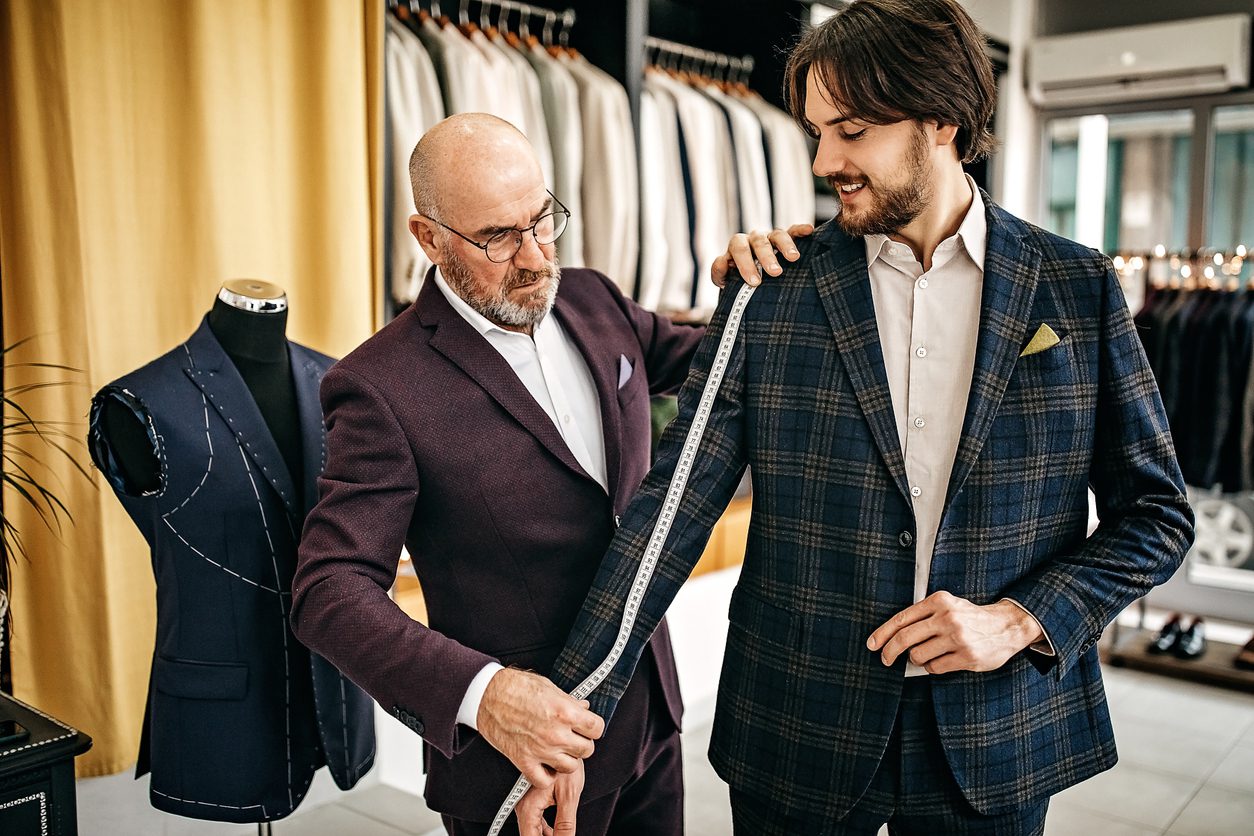
Accurate measurements are the foundation of a flawless fit, so start by gathering the right tools: a soft tape, a seam gauge, and a full-length mirror. Wear the underlayers and shoes you plan to pair with the garment, stand naturally, and breathe normally to avoid cinching the tape. Capture core points like high and full bust, natural waist, high and low hip, shoulder width, across back, bicep, rise, and inseam. Note asymmetry by measuring both sides and record subtle posture cues, such as a rounded shoulder or swayback. Compare body measurements with finished garment measurements to understand wearing ease and design ease, and remember that knits may require negative ease while wovens need positive room to move. Measure along stitching lines, not cutting lines, to account for seam allowance accurately. Create a personal sloper or fit template to benchmark new projects. Updating your numbers regularly and double-checking tricky areas reduces guesswork and sets every alteration up for success.
Smart Adjustments and Ease
Once measurements are clear, refine the pattern or garment with targeted adjustments that honor your proportions. Choose sizes using your most critical areas, like bust, waist, or hip, and grade between sizes to blend smoothly where needed. Use paper methods such as slash and spread or pivot and slide to add or remove width and length without distorting style lines. Tackle common refinements like FBA or SBA, swayback correction, shoulder slope, or a broad-back tweak to free movement. Mark and preserve seam allowances, raise or lower darts, and add trial seam allowance where you anticipate fitting. Build a quick muslin with long stitches and baste zippers so you can pin-fit, move, sit, and reach before committing. Transfer every pin and chalk mark back to the pattern for consistency. Keep wearing ease proportional to fabric behavior; flowing designs want more room, structured silhouettes thrive with precision.
Sculpting With Seams and Darts
Shaping is where tailoring becomes artful. Use darts to direct volume toward curves; end bust darts just shy of the apex, and keep legs even so seams press crisply. For more contoured garments, princess seams create graceful curvature while offering multiple checkpoints for fine-tuning. Refine side seams in quarter-inch increments to smooth transitions at the waist and hip, and consider contour waistbands for a body-skimming silhouette. Pants benefit from custom crotch curves and balanced front and back rises to remove drag lines; analyze wrinkles as arrows that point to the issue. Redistribute fullness with pleats, tucks, or gathers when you need structure or softness without bulk. Stabilize stress-prone edges, such as necklines and armholes, with stay tape to prevent gaping. Mirror changes on both sides and true all seam lines so notches match after edits. This meticulous sculpting preserves the design while tailoring the garment to your unique architecture.
Hems, Lengths, and Proportion
A refined hem can transform the entire silhouette. Choose techniques that suit fabric and style: a nearly invisible blind hem for tailored skirts, a crisp double-fold for trousers, a rolled hem or baby hem for fluid fabrics, and mitered corners for sharp edges. Match hem width to fabric weight; heavier cloths prefer deeper hems for elegant swing, while light weaves need narrow edges to avoid collapse. Guard the grainline and vertical balance so garments hang true, and let bias cuts relax before finalizing length to prevent uneven drop. For knits, a twin needle or coverstitch with light stabilizer maintains stretch without tunneling. Aim for lengths that align with your proportions and footwear, checking sleeve breaks and trouser drape from multiple angles. Ease-stitch curved hems, press thoroughly, and secure with consistent stitch length. A measured, well-supported hemline anchors the look and creates that elevated, made-for-you impression.
Polished Finishes and Lasting Care
Professional finishing brings durability and polish. Press as you go using a tailor's ham, sleeve roll, and clapper to set seams, and grade bulk so edges lie flat. Lock facings with understitching, reinforce stress points with bar tacks, and stabilize openings with staystitching or twill tape. Choose seam finishes that match fabric and wear: serged or overlocked for efficiency, French seams for sheers, and Hong Kong binding for a couture interior. Place closures thoughtfully; an invisible zipper streamlines sleek dresses, while a lapped zipper or button placket adds structure and charm. Support collars, waistbands, and hems with the right interfacing to maintain crisp edges. After construction, practice gentle pressing, refresh with steam, and store garments on proper hangers to protect shaping. Conduct a quick fit audit before wearing, testing sit, reach, and stride. For complex fabrics or advanced tailoring, a skilled professional can elevate results from excellent to exceptional.