Textures and Fabrics: Make Your Outfits Pop
From plush velvet to crisp linen, master mixing textures—pair matte with shine, rough with smooth—to add depth, balance proportions, and elevate any look.
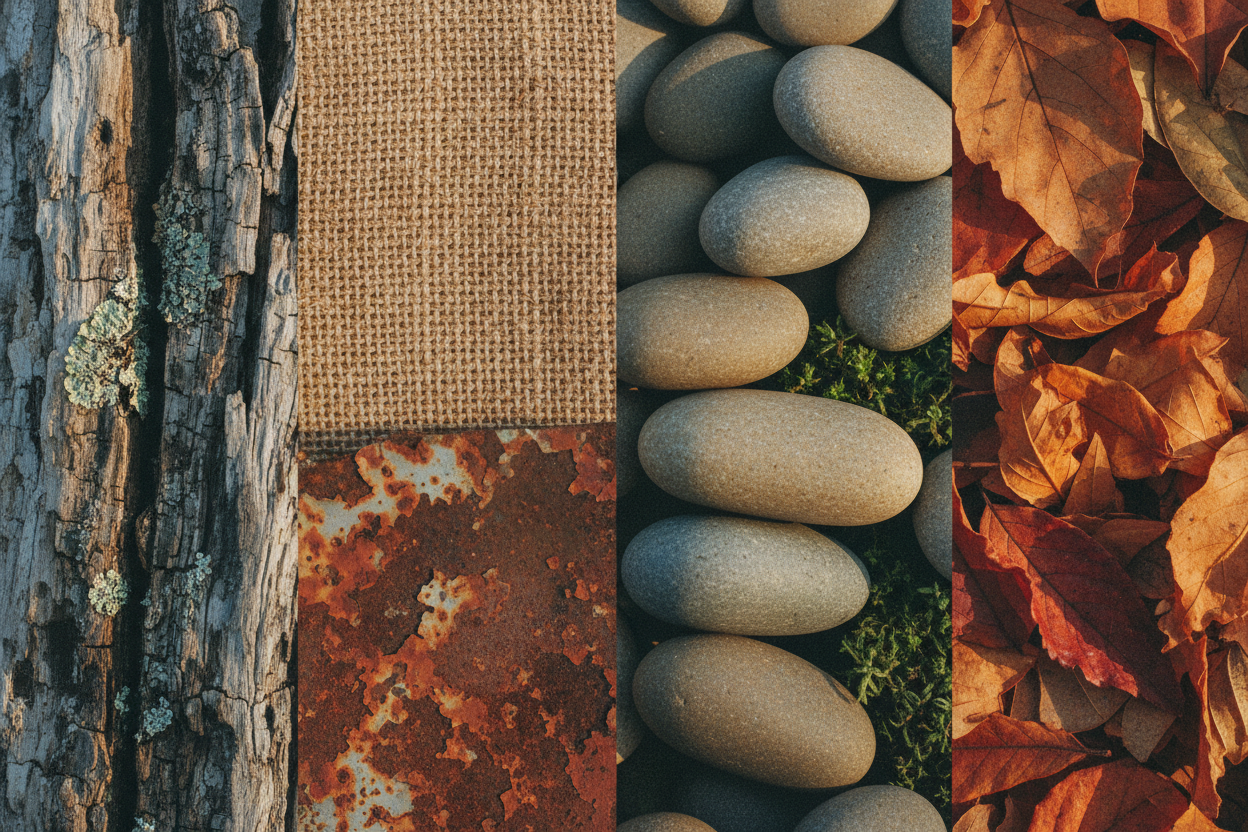
Tactile Contrast: The fastest way to make an outfit pop is to play with texture. Visual interest comes from juxtaposing opposites: pair liquid silk with rugged denim, buttery leather with plush cashmere, crisp linen with lustrous satin. Think in sets of contrasts—matte vs. sheen, smooth vs. nubby, light vs. weighty—and let each element highlight the other. A sleek slip dress instantly feels richer under a chunky cardigan, while a minimal tee gains polish beside a pebbled skirt. Keep your color palette focused so surfaces, not hues, do the talking; neutrals and tonals make texture the star. If you're new to mixing, try the three‑texture rule: one dominant base (like cotton), one accent with character (tweed or ribbed knit), and one touch of shine (satin or patent). Even accessories can supply contrast—a straw tote against a structured blazer or a smooth pump beside a fuzzy sock. Balance is everything; let every finish earn its place.
Drape and Structure: Understanding drape and structure turns good outfits into great ones. Sturdy fabrics like twill, canvas, and bouclé hold architectural lines, framing the body with crisp edges and reliable volume. Fluid materials—chiffon, jersey, and crepe—skim and move, creating length and motion. The magic arrives when you mix them: a tailored blazer over a slinky dress, or wide‑leg crepe trousers grounded by a boxy denim jacket. Use a belt to merge a fluid torso with a structured hip, or release a stiff pleat onto a soft hem to orchestrate movement. Explore bias‑cut pieces for stretchless fluidity that hugs without clinging, and note how subtle shine amplifies drape under shifting light. Structured collars, cuffs, and waistbands act like punctuation marks, anchoring floaty layers. Aim for intention: if the bottom flows, let the top define; if the top is sculptural, keep the base elegant and mobile. Your silhouette should feel composed, never competing.
Purposeful Layering: Smart layering is textural storytelling. Start with a base layer that's smooth and breathable—cotton jersey or fine silk—to keep comfort and lines clean. Add a mid layer that brings character: ribbed knits, quilted vests, or subtle mesh panels. Finish with outerwear that contrasts the interior—structured blazers, soft shearling, or a fluid trench. Stack lengths thoughtfully: longer over shorter elongates; a cropped jacket sharpens high‑waist trousers. Play with sleeve peeks, collar pops, and cuff rolls to reveal a sliver of texture without bulk. Follow the thin‑thick‑thin principle so movement stays easy: sleek shirt, chunky cardigan, sleek coat. For transitional days, swap heavy knits for open‑weave layers, and let breathable fabrics manage heat without sacrificing depth. Color acts like glue; repeat a hue across different surfaces to unify the stack. Finally, mind friction—leather over mohair can cling, while satin glides. Each piece should slide into place, adding dimension while preserving proportion.
Monochrome, Multidimensional: A monochrome palette becomes dynamic when you vary surfaces. In all black, mix matte cotton, liquid satin, and inky velvet; in soft neutrals, pair airy linen, plush cable knit, and supple suede. Texture shifts manipulate light—gloss reflects and draws the eye, while fuzz and knap absorb and soften—so you can sculpt focus without changing color. Keep silhouettes clean to let touchable details shine: a column skirt in crepe, a ribbed tank, and a smooth blazer read sophisticated, not busy. Use micro‑details like quilting, piping, or a faint ottoman rib to add quiet depth. Accessories extend the theme: pebbled leather bags, brushed or polished metals, and tonal belts with subtle grain. Manage the balance of shine by confining overt gloss to one area—perhaps shoes or a clutch—so the look doesn't skew flashy. The result is elevated simplicity: one hue, countless dimensions.
Patterns, Weaves, and Scale: Think of pattern as texture you can see, and weave as texture you can feel. Subtle weaves—herringbone, seersucker, basketweave, and ottoman ribs—behave like near‑solids from a distance but reveal intrigue up close. Use them to bridge bolder elements: a herringbone blazer grounds a floral skirt; a seersucker shirt enlivens plain trousers. Harmony comes from scale. Let one statement print lead, then support it with small‑scale weaves or lace rather than competing motifs. Try stripes with tweed, micro‑dots with jacquard, or a soft animal‑hair texture with sleek satin. Keep color families aligned; shared undertones make disparate surfaces feel intentional. When mixing more than two elements, introduce a textured neutral—ribbed knit, washed denim, or suede—to give the eye a rest. Trim and finishing matter too: thoughtful fringe, delicate lace, or tonal embroidery provide dimension without clutter. Treat each choice like a brushstroke, building depth through restraint.
Care, Longevity, and Mindful Choices: Great texture depends on great care. Preserve velvet's pile by steaming instead of ironing, and brush suede gently to revive nap. Prevent knit pilling with fabric shavers and wash inside out in mesh bags. Condition leather, stuff bags and shoes to hold shape, and store structured items upright. Read fiber tags: natural fibers like wool, cotton, linen, and hemp breathe and age gracefully; synthetics add resilience and wrinkle resistance; blends offer the best of both. Seek recycled fibers or durable compositions that extend wear, and choose finishes that feel good on skin—you'll reach for them more, reducing waste. Inspect quality—tight weaves, even nap, secure seams—so textures survive repeated use. Build a simple maintenance routine: spot‑clean quickly, air garments between wears, rotate footwear to rest materials, and tailor small fit issues before they strain fabric. Thoughtful maintenance turns surfaces from fleeting trends into lasting signatures, keeping your wardrobe tactile, polished, and responsibly loved.