The Art of Slow Travel: Savoring Every Journey
Slow travel trades checklists for connection. Move gently, stay longer, and savor the people, places, and rhythms that make journeys unforgettable.
Redefining the Journey Slow travel is the gentle rebellion against checklists and sprinted sightseeing, a choice to let the road shape the traveler as much as the traveler shapes the route. It values quality over quantity, favoring long looks, unhurried meals, and routes that invite daydreams. The magic often appears in transitions — the lull of a regional train, the rhythm of a ferry, the cadence of walking through side streets where daily life unfolds. Rather than racing to the next landmark, you learn to measure distance by conversations, flavors, and the feel of the air. Curiosity replaces urgency. A small bakery becomes a destination; a quiet park becomes a classroom. With slow travel, you relax into time rather than wrestle it, allowing weather, appetite, and serendipity to set the tempo. The result is a journey that is both mindful and memorable, a tapestry woven from subtle moments that would vanish at high speed.
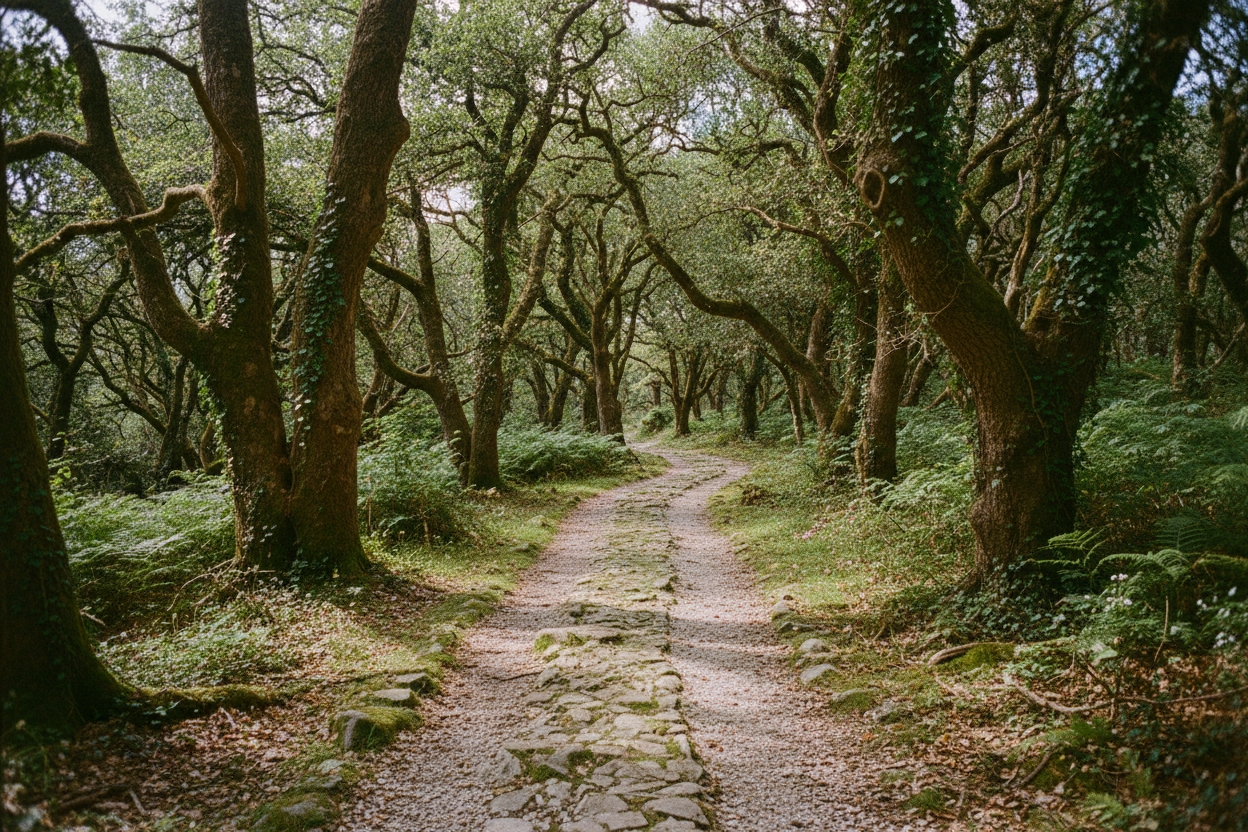
Cultivating Presence Presence is the engine of slow travel, the practice that transforms ordinary moments into lasting memories. Begin by protecting generous buffers in your days so you can follow sparks of interest without anxiety. Use simple anchors for mindfulness — the weight of a cup in your hand, the hum of a market, the scent rising from a street cart. Keep a small notebook to capture sensory details, sketches, and overheard snippets; this deepens attention and turns impressions into stories. Practice slow photography: frame a scene, wait, and let people and light breathe into the image. Choose window seats on buses and trams to trace patterns in the landscape. Pause often — a bench, a stoop, a sunny step — and simply watch. When you meet someone, ask open questions and listen completely. Presence is not a technique to master but a rhythm to trust, a way of being that infuses each step with intentionality.
Designing Unhurried Itineraries A slow itinerary starts with restraint. Choose a few anchor experiences and let everything else orbit loosely around them. Sleep more nights in fewer places to reduce packing, transit stress, and the static that drowns nuance. Consider one welcoming neighborhood as your base, then explore by walking, cycling, or public transport, returning each evening to a familiar cafe or corner grocer. Build in buffer days that carry no agenda beyond wandering, reading, or striking up conversations. Plan around themes — gardens, independent bookstores, street art, local pastries — to guide exploration without over-scheduling. Keep a light list of rainy-day options and a pocket map marked with green spaces for restorative pauses. Use time-of-day tactics to experience popular sites during quieter hours, and let midday be for rest or reflection. By designing for flexibility, you make room for the detours and discoveries that give a journey its soul, and you spare yourself the fatigue of chasing everything at once.
Deep Connections with Place The heart of slow travel is a respectful dialogue with place. Learn a handful of local phrases — greetings, gratitude, simple requests — and use them often; they signal openness and honor. Spend time where daily life hums: neighborhood markets, bakeries, parks, and commuter routes. Observe cues — how people queue, share space, and navigate social rituals — and mirror them with cultural sensitivity. Seek local voices through small workshops, guided walks led by residents, or community performances, prioritizing experiences that benefit the people who call the destination home. When photographing, ask permission and share a smile; when bargaining, stay gentle and fair. Support independent businesses, try regional specialties, and ask for recommendations that are meaningful rather than trendy. Offer curiosity without intrusion, patience without entitlement. As you listen, you begin to notice the textures beneath the postcard — the humor, pride, and quiet rhythms that define a place. These relationships become the rare souvenirs that deepen with time.
Sustainable Footprints Slow travel naturally aligns with sustainability, asking us to move lighter and linger longer. Favor trains, buses, boats, and your own feet over short flights and constant transfers; the journey becomes part of the experience while easing strain on the planet. Choose lodgings that value efficiency and community, such as family-run guesthouses or apartments with kitchens to reduce waste. Carry reusable essentials — bottle, tote, cutlery — and gravitate toward markets and eateries that minimize packaging. Eat with the seasons, sample local produce, and embrace plant-forward meals when possible. Respect natural spaces by staying on paths, leaving no trace, and observing wildlife from a distance. Visit popular areas at less crowded times to distribute impact and enjoy a calmer atmosphere. Support artisans and services rooted in the region rather than mass-produced trinkets. By traveling with awareness, your footprint shrinks while your connection grows, proving that meaningful adventures and mindful choices can coexist beautifully.
Mindful Logistics and Comfort Comfort enables curiosity. Pack light with layers that mix well, comfortable shoes for long walks, and a small care kit with essentials that keep you steady — sunscreen, a scarf, a notebook, perhaps a compact laundry solution. Download offline maps, organize important information where it is easy to find, and keep copies of key documents in separate spots. Choose accommodations with good sleep potential — quiet streets, breathable bedding, and a place to unwind. Plan your days with pacing in mind: a substantial morning, a restorative midday lull, and a gentle evening. Hydrate, eat well, and listen to your energy; slow travel honors the body as much as the itinerary. Set digital boundaries so you can be fully present — quick check-ins rather than constant scrolling. Prepare a flexible contingency plan for weather or closures. With thoughtful logistics, you trade friction for freedom, creating the conditions where spontaneity can thrive.
Bringing Slow Travel Home The art of slow travel blossoms when it follows you home. Apply the same mindful curiosity to your own streets — take a new route to the market, notice the architecture you usually blur past, linger in a neighborhood cafe without an agenda. Plan microadventures by train or bus to nearby towns, trails, and shorelines, practicing the same unhurried rhythm. Recreate recipes you loved on the road, host friends for a storytelling evening, or craft a small photo zine to honor memories. Rotate a few favorite mementos on a shelf so they invite reflection rather than clutter. Build mini-buffers into weekly schedules — an unscheduled hour to wander a park, a device-free walk at dusk. Measure weekends not by volume but by depth. In this way, every day becomes a canvas for presence, and every future journey feels less like escape and more like a continuation of a life lived attentively.