The Science of Smooth: Exfoliation Made Easy
Discover how chemical and physical exfoliation work, how often to use them, and how to avoid irritation for smooth, radiant, resilient skin.
Understanding Exfoliation
Exfoliation is the beauty-world name for helping your skin's natural cell turnover along. The outermost layer, the stratum corneum, is a mosaic of flattened cells called corneocytes held together by lipids. Over time, dead cells linger, making texture look uneven and radiance fade. Gentle exfoliation clears this buildup so light reflects more evenly, makeup sits better, and skincare penetrates more effectively. The science is simple: you're assisting desquamation, the controlled shedding process your skin already performs, while being mindful of the skin barrier, which protects against dehydration and external stressors. When done properly, exfoliation can soften the appearance of dullness, rough patches, and congestion without creating sensitivity. The key is balance; you want to lift what's ready to let go without stripping essential moisture. Think of it like tidying your surface while preserving the structure beneath. This thoughtful approach maintains hydration, supports a calm microbiome, and keeps your glow steady rather than fleeting.
Choosing Your Method
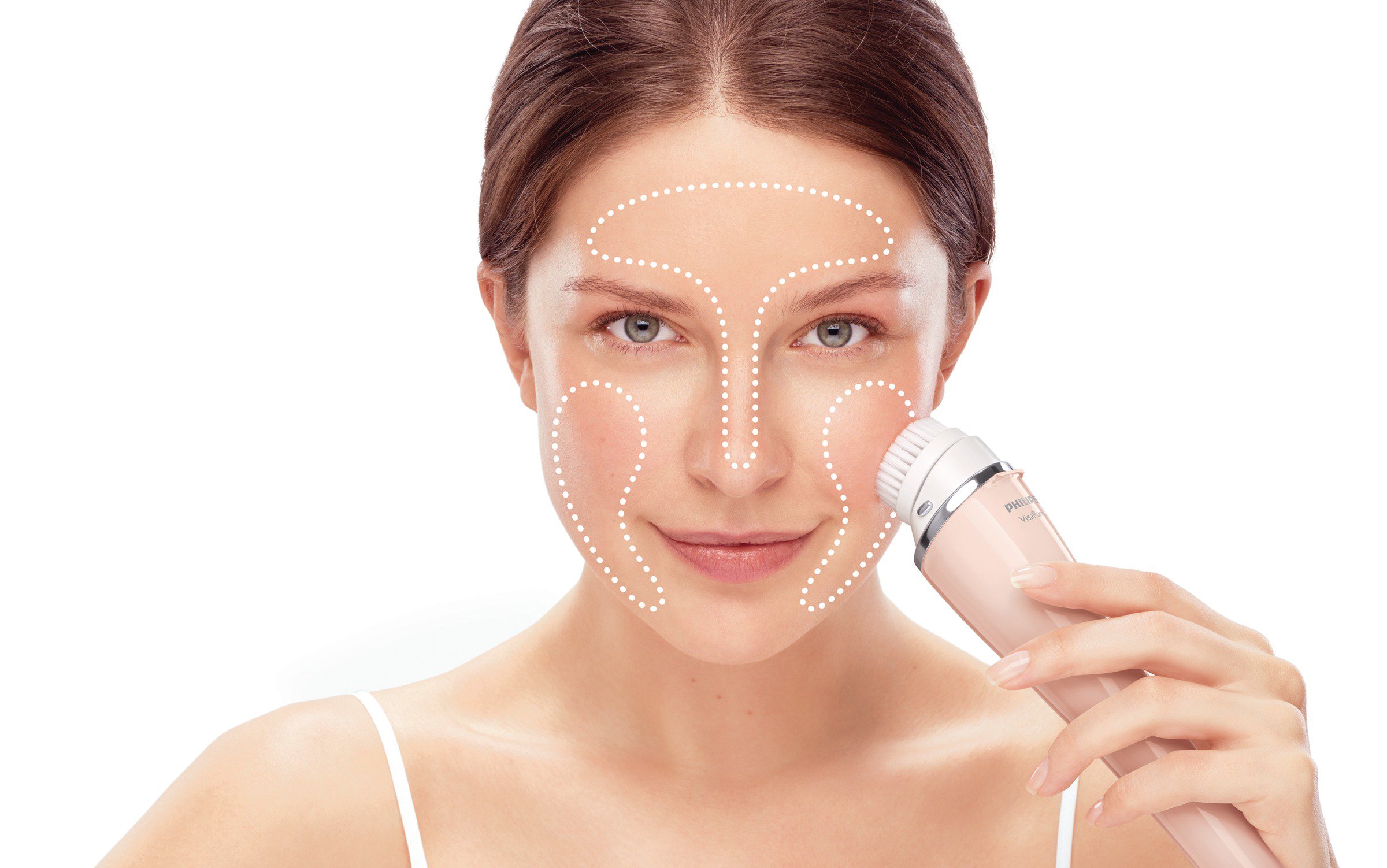
There are three main approaches: physical, chemical, and enzymatic exfoliation. Physical exfoliation relies on a mechanical action—think soft washcloths or scrubs with fine, rounded granules—to whisk away dead cells. It offers instant smoothness but demands a feather-light touch to avoid micro-tears. Chemical options, like AHAs (such as glycolic, lactic, or mandelic), help loosen the bonds between dull surface cells, improving tone and texture. BHAs like salicylic acid are oil-soluble, making them ideal for congested pores and T-zones. PHAs are larger molecules that work more slowly and gently, a thoughtful pick for easily irritated complexions. Enzymes—commonly derived from fruit—act like tiny pac-men, nibbling away at proteins on the surface without friction. Your choice depends on tolerance, goals, and where you plan to use it. Many people blend methods across the week—perhaps a mild chemical toner paired with an occasional soft scrub—to get refined skin without tipping into irritation.
Skin Types and Smart Pairings
Matching exfoliation to your skin's personality delivers the most elegant results. Oily or congestion-prone complexions often thrive with a BHA to dissolve debris within pores and temper the look of blackheads. Dry or dehydrated skin tends to prefer lactic or PHA formulas that smooth while drawing in water, preserving a comfortable, bouncy feel. Sensitive types benefit from low-strength acids, enzymes, or infrequent, ultra-fine physical buffs; the goal is clarity without flushing or stinging. If your skin leans mature or uneven, balanced AHA use can gently refine texture and enhance luminosity. Start low and slow, watch for cues like tightness or excessive shine (a sign of over-exfoliation), and adjust frequency accordingly. Many find success beginning once or twice weekly, then building to a rhythm that keeps skin clear yet calm. Always consider what else is in your routine; if you use retinoids or potent brighteners, alternate nights and support the barrier with hydrating buffers to keep skin resilient.
Technique That Respects Skin
Application matters as much as the product. For physical exfoliation, dampen skin, use a pea-sized amount, and apply with minimal pressure in short, gentle circles for under a minute—let the granules glide rather than grind. Rinse with lukewarm water and pat dry. For chemical formats, apply to clean, dry skin; allow recommended contact time and avoid layering multiple strong actives in one session. Follow with humectants like glycerin and hyaluronic acid, then seal with ceramides or a light occlusive to reinforce the skin barrier. In daytime, finish with broad-spectrum sunscreen, as renewed skin is more light-sensitive. Keep tools clean and replace abrasive accessories regularly. Avoid the temptation to chase instant glassiness—skin that looks shiny-tight can be stressed. If tingling escalates to discomfort, rinse and buffer with soothing layers. Consistency over intensity wins: a steady, thoughtful routine can deliver polished, healthy radiance without the rebound of irritation.
Beyond the Face: Whole-Body Strategy
Smooth doesn't stop at the jawline. For the body, a cream with AHAs can soften roughness on arms, thighs, and knees, while BHAs help with back or chest congestion and ingrown hairs. Consider a gentle body polish once or twice a week, focusing on elbows and heels; pair with a rich body lotion to lock in comfort. Lips benefit from a light, occasional buff and a nourishing balm to maintain a plush look. Hands, often overlooked, appreciate a mild exfoliant followed by a barrier-restoring cream, keeping cuticles neat and skin supple. If you experience tiny bumps on arms or legs, a mix of lactic or PHA formulas can visibly smooth texture over time. For scalp exfoliation, use purpose-made scrubs or clarifying acids to lift buildup without scratching—healthy roots support shinier lengths. Time your routine strategically: exfoliate before shaving or waxing to minimize trapped hairs, and after workouts or heavy sweat to keep pores fresh and happy.
Troubleshooting and Myth-Busting
A few myths to retire: more scrub is not more glow; tingling isn't proof of efficacy; and pores don't open or close on command. Real progress looks like steadier texture, fewer dull patches, and a calm barrier that rebounds quickly. Signs of over-exfoliation—stinging, redness, sudden dryness, or a glassy tight feel—mean it's time to pause. Switch to barrier repair mode: layer panthenol, allantoin, cholesterol, shea butter, or colloidal oatmeal until comfort returns. Reintroduce actives gradually and space them out from retinoids or strong brighteners. Read labels with a curious eye; consider acid type, strength, and texture, and prioritize elegant formulas over brute force. Grain size matters in scrubs, as does your pressure. Adjust frequency with the seasons and when traveling across climates. Keep a simple patch test habit when trying something new. The golden rule is consistency over intensity—measured, mindful exfoliation keeps your glow smooth, strong, and sustainably radiant.