Zero-Waste Grocery Shopping and Food Storage
Shop smarter and store food sustainably with zero-waste tips for bulk buying, plastic-free produce, smart containers, and fresher, longer-lasting meals.
Mindset and Benefits
Embracing a zero-waste approach to food and groceries is about progress, not perfection. The goal is to prevent trash before it exists, prioritizing reusable solutions, smart choices, and thoughtful storage. This mindset saves money by cutting unnecessary packaging, reduces clutter in your pantry, and keeps ingredients fresher for longer. Start by noticing where most of your waste appears: single use produce bags, snack wrappers, or disposable containers. Then replace them with durable options that suit your routines. Choose loose produce, bring your own bags, and favor whole foods over heavily packaged items. When you cannot avoid packaging, prefer recyclable or reusable materials like glass and metal. Zero waste also means buying the right amount, so food is eaten at its peak rather than forgotten. Make small swaps one by one, ask staff about tare policies for containers, and celebrate each habit you build. Over time, your grocery trips become simpler, cleaner, and more satisfying.
Smart Planning and Shopping Lists
Effective zero-waste grocery shopping begins at home with planning. Take five minutes to scan your pantry, fridge, and freezer, then shop your kitchen first. Build a flexible meal plan around what you already own, prioritizing perishables and small leftovers. Create a practical list that groups items by store sections and note preferred formats, such as bulk, package free produce, or items in glass. Estimate quantities realistically to avoid overbuying, and think through how ingredients overlap across meals so nothing lingers. For example, greens used in salads can also become a stir fry side or a pesto. If your store offers bulk bins, plan staple refills like oats, rice, beans, spices, and nuts, and bring clean containers. When bulk is not available, choose the least packaged or most recyclable option. Align purchases with your storage capacity at home to maintain airflow and visibility on shelves. A clear list keeps you focused, trims impulse buys, and ensures every bite has a purpose.
Your Zero Waste Kit
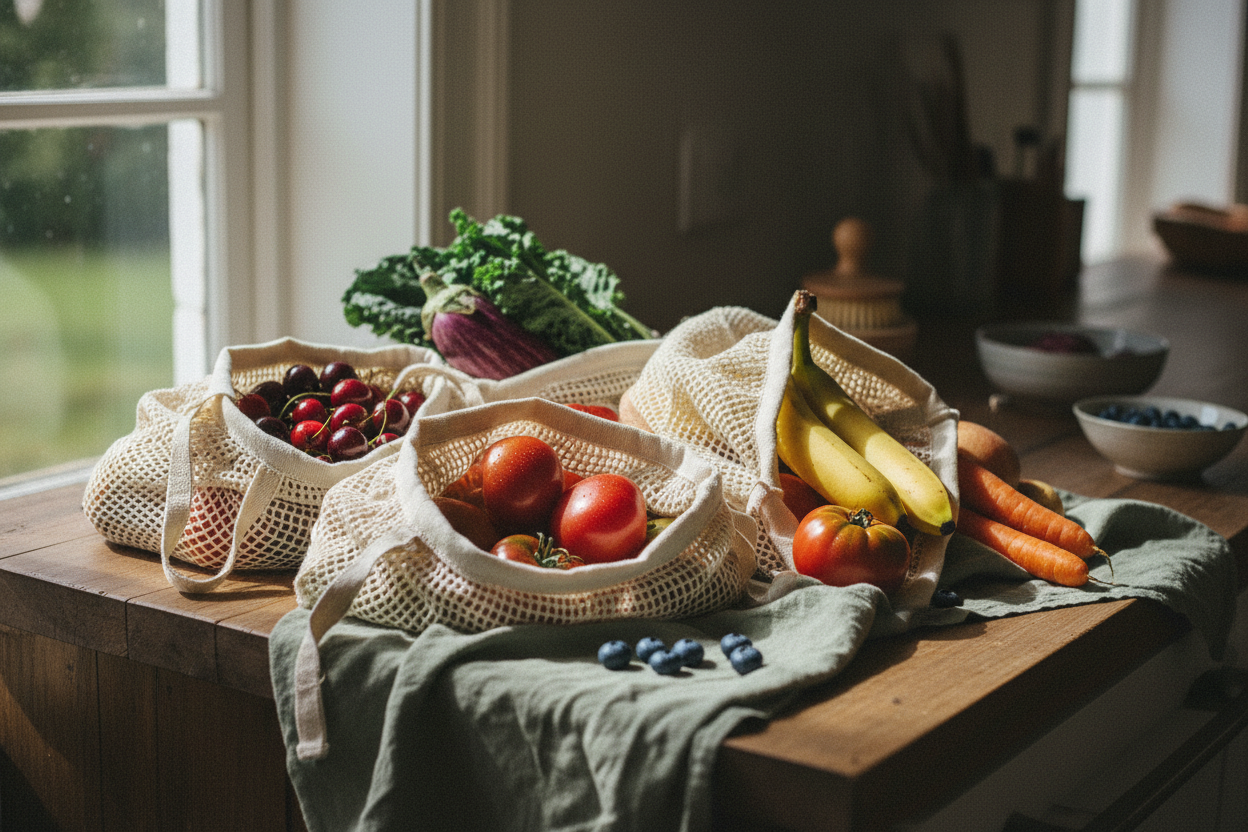
A compact zero waste kit turns good intentions into dependable habits. Pack a few glass jars for dry goods, stainless steel tins for deli items, and silicone pouches for snacks. Add lightweight cloth produce bags or mesh sacks for fruits and vegetables, plus a couple of beeswax wraps or washable covers for bakery items and cheese. A wax pencil or erasable marker helps label contents and tare weight, while elastic bands or clips secure wraps. Keep a foldable tote, a sturdy canvas bag, or a small crate in your car or by the door so you never forget them. If you regularly buy chilled foods, include a soft cooler and reusable ice packs. Choose container sizes that match your typical purchases to reduce partial fills and keep bags organized. Wash and dry everything between trips to prevent odors. With a ready kit, you can say yes to counters that accept personal containers, navigate bulk sections confidently, and skip single use packaging with ease.
Tactics in the Aisles
Once in the store, slow down and shop with intention. Start in produce and choose loose items you can bag in your own sacks, checking ripeness and planning when each item will be eaten. At the deli, bakery, or cheese counter, request to tare your container before filling, then confirm the weight on the label. Prioritize the bulk section for grains, legumes, baking needs, tea, and snacks, scooping only what you need. Opt for concentrates and refills where available, such as vinegar or cooking oil in returnable bottles, and avoid individually wrapped portions. When packaging is unavoidable, prefer glass or metal over plastic, and look for simple, short ingredient lists. Buy spices in small amounts so they stay potent, and consider grinding coffee or nut butter on site to skip extra containers. Resist pre bagged produce bundles that promote overbuying. Shop the perimeter for whole foods, and use your list to stay focused. Every choice moves you closer to zero-waste while keeping meals flavorful and satisfying.
Storing Produce for Freshness
Great storage preserves flavor, nutrients, and effort. Think of your fridge as zones: high humidity drawers for leafy greens and delicate items, low humidity drawers for fruits that prefer a drier environment, and main shelves for ready to eat foods. Keep ethylene producers like apples and bananas away from sensitive items such as leafy greens and herbs to prevent premature wilting. Wrap herbs in a damp towel and store upright in a jar with a little water, changing it regularly. Line containers with a dry towel for washed greens to absorb excess moisture. Carrots and celery stay crisp submerged in water, while mushrooms last longer in a breathable paper bag. Store bread at room temperature in a cloth bag, slice and freeze extras to avoid staleness. Wrap cheese in wax paper, then place it in a loose container to let it breathe. Use airtight jars for grains, nuts, and flours to block moisture and pests. Thoughtful food storage turns groceries into reliable building blocks for every meal.
Managing Meals and Leftovers
Zero waste thrives on systems. Use FIFO first in, first out by placing newer items behind older ones so the earliest purchase is eaten first. Label and date containers plainly, then store leftovers in clear jars so they stay visible. Plan a weekly meal prep session to cook versatile bases like beans, grains, or roasted vegetables, and portion them for quick assembly. Freeze soups, sauces, and cooked legumes in stackable containers or jars with headspace, and keep a tiny inventory list on the freezer door to guide meal choices. Transform extras creatively: roasted vegetables become frittatas, wilting greens enrich soups, and stale bread turns into crunchy croutons. Save clean veggie trimmings for a scrap broth, and blitz carrot tops or herb stems into pesto. Serve realistic portions to reduce plate waste, and embrace leftovers night to reset the fridge. When meals are designed with reusability in mind, your kitchen runs on momentum instead of improvisation.
Closing the Loop at Home
Reducing food waste continues after shopping. Set up a simple compost system suited to your space, whether a backyard pile, worm bin, or sealed fermenting method, and keep a freezer bag for onion skins, herb stems, and citrus rinds you want to brew into broth before composting. Create an eat first zone in the fridge for items nearing peak ripeness, and check it before every meal. Learn the difference between best by, sell by, and use by as indicators of quality, not strict safety rules, and rely on sight and smell with care. Upcycle jars for dressings, overnight oats, or spice blends, and label them clearly. Regrow scallions from roots in a jar of water, and plant herb cuttings to refresh your supply. Share surplus with neighbors or cook a potluck friendly dish when you have extra staples. Track small wins, like fewer trash bags or improved inventory clarity. The loop closes when every purchase is honored, enjoyed, and mindfully returned to the soil.